Blending Silos for Enhanced Cement Production

application/blending-silo-in-cement-plant, application/blending-silo-in-cement-plant, 
Inquiry
Inquiry

Blending silo in cement plant

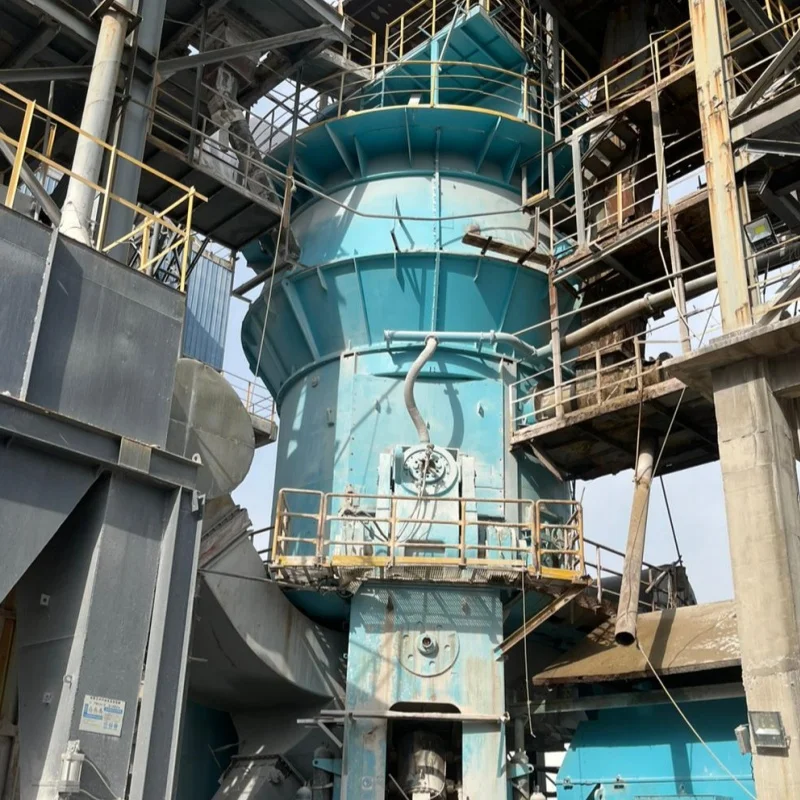
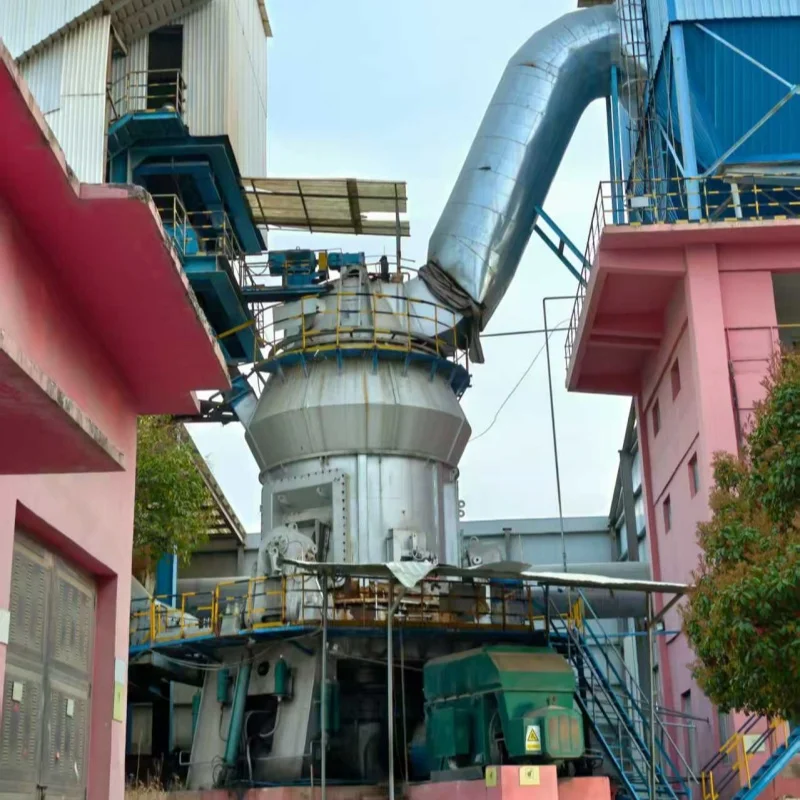
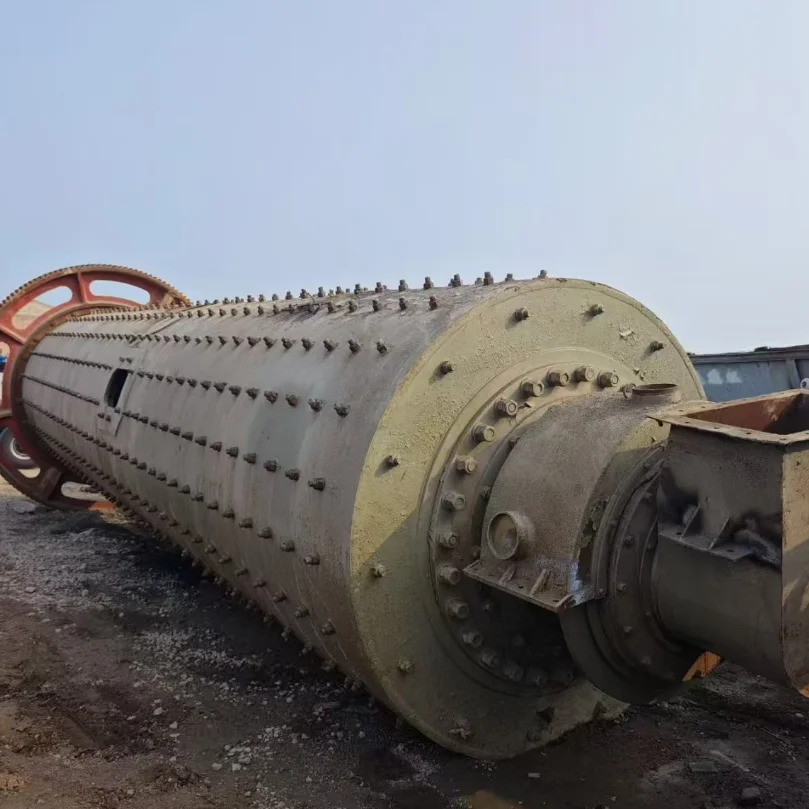
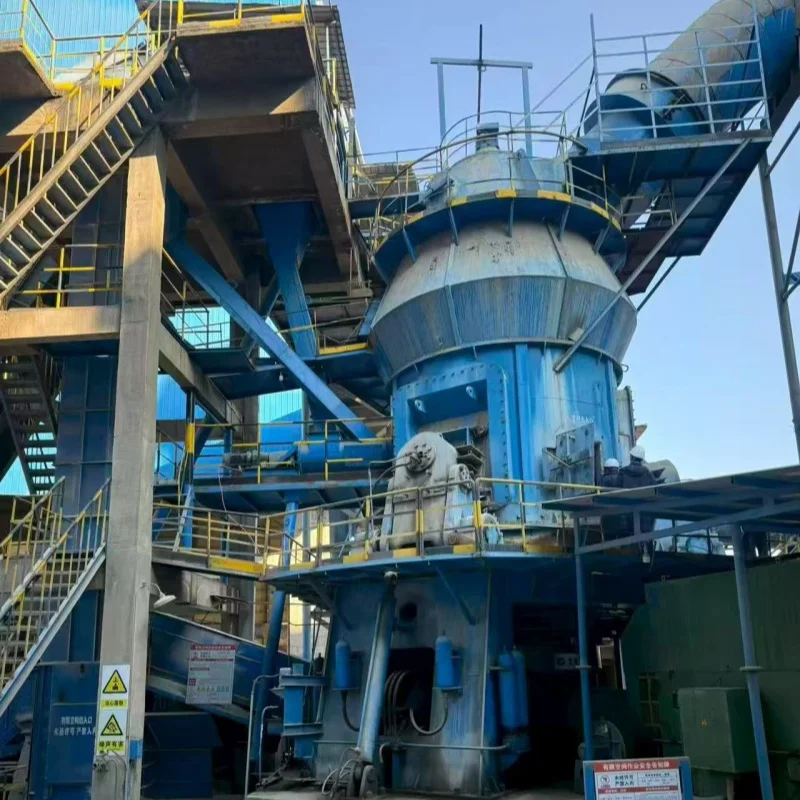
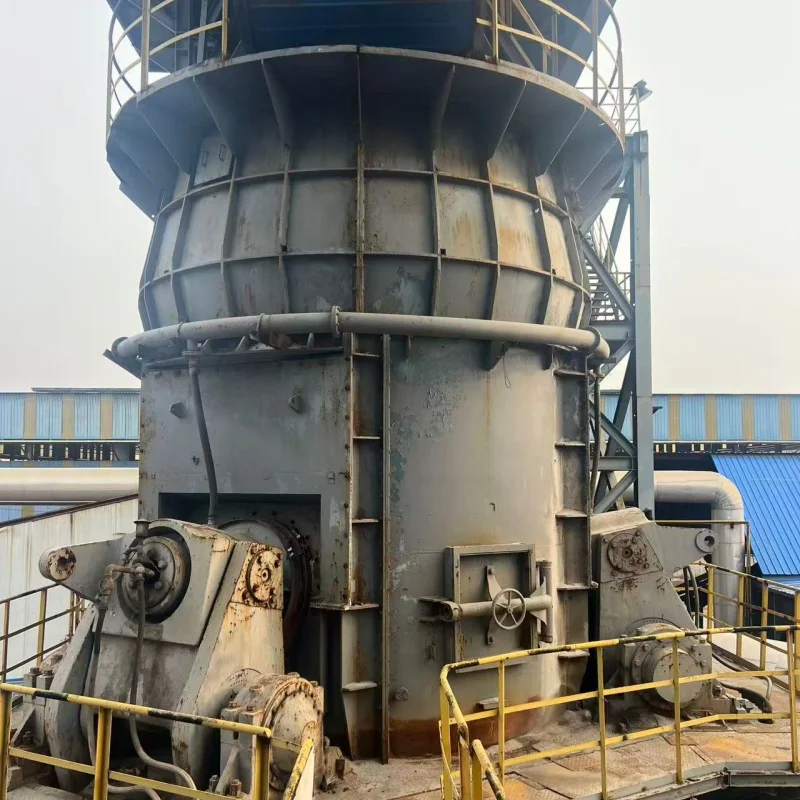
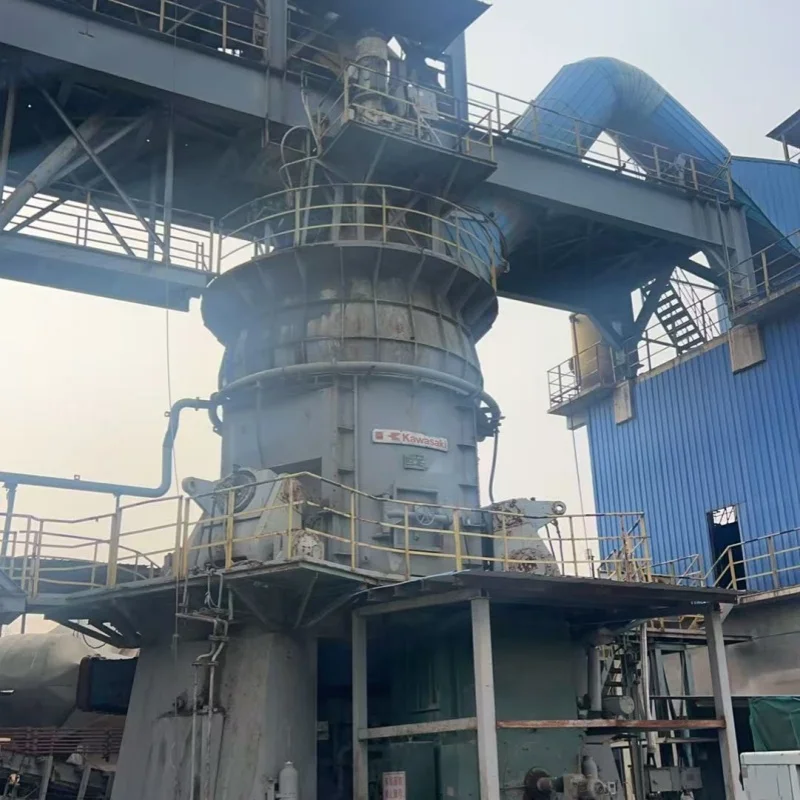
Blending silos are important structures in cement plants. They help mix different materials before they become cement. This mixing process is key to making high-quality cement that can be used in building and construction. Good cement is needed for strong buildings, roads, and bridges. Companies like Insun build blending silos cement mixing plant that help ensure the right materials are mixed together. This leads to better cement quality. Without blending silos, it would be harder to control the quality of cement, which can affect construction projects.


Why choose Insun Blending silo in cement plant

What is a Blending Silo and How Does It Improve Cement Quality?

A blending silo is a large storage container used in cement plants. It holds materials like limestone, clay, and other additives. The silo mixes these materials together to create a consistent product. Imagine making a cake. If you mix flour, sugar, and eggs evenly, you get a delicious cake. If not, some bites may taste different. The same idea applies to cement. When materials are blended well, the cement produced is stronger and more reliable. This is important for builders who need to trust the materials they use. The blending process also helps to reduce waste. Sometimes, different materials can affect each other in good ways. For instance, adding certain additives can improve the strength of the cement. A blending silo allows for these materials to mix evenly, so these benefits are fully realized. Insun’s blending silos vertical roller mill in cement plant are designed with this in mind. They ensure that the mixing process is efficient and effective. This means that the cement produced meets the needed standards for construction.

Frequently Asked Questions

What is a blending silo in a cement plant?

A blending silo stores and homogenizes raw or finished cement to ensure consistent quality. It allows controlled discharge and blending of different cement types or additives to meet product specifications.
Capacities vary by project needs, typically from a few hundred to several thousand tons. We evaluate production rate and storage requirements to recommend the optimal silo capacity.
Yes. We supply complete installation, on-site commissioning, and technical support for blending silos as part of our EPC and plant services globally.
We design silos with internal flow control, appropriate aeration, and mixers as needed, plus sensor-based level and sampling systems to maintain consistent blending and traceability.
We provide scheduled maintenance plans, spare parts supply, inspection, and safety upgrades including access platforms, dust control, and compliance checks to ensure reliable operation.

Our Blog Posts

What Our Partners Say

How to Choose the Best Blending Silo for Your Cement Plant Needs

How to Choose the Best Blending Silo for Your Cement Plant Needs

Selecting the right blending silo for a cement plant is not easy. You need to think about many factors. One is the size and storage capacity of the silo. If the plant produces a lot of cement, a larger silo or a multi-silo system might be needed to handle the high volume. On the other hand, if the plant is smaller, a smaller silo could work just fine without taking up unnecessary space. Another important factor is the internal design of the silo. Different configurations, such as gravity-based or fluidized pneumatic systems, can make mixing easier or harder depending on your material characteristics. Insun offers various custom designs that can fit different operational needs. It is also essential to look at how the silo is built structurally. A well-built, robust silo will last longer and need less maintenance, which minimizes operational downtime. This can save a significant amount of money in the long run. You should also think about the specific construction materials used to make the silo itself. Some materials and specialized coatings are much better at keeping the contents dry, preventing moisture buildup, and keeping the raw materials free from external contamination. Lastly, consider the overall cost. While it’s tempting to pick the cheapest option available, it’s important to think about the long-term value and return on investment. An Insun blending silo might cost more upfront, but its superior build quality can lead to better cement quality and fewer mechanical problems later. Choosing the right silo can make a big difference in how smoothly and profitably a cement plant runs.


Common Usage Issues with Blending Silos and How to Solve Them

Common Usage Issues with Blending Silos and How to Solve Them

Blending silos are important machines in cement plants. They help mix different materials together to make cement of good quality. However, sometimes these silos can have problems. One common issue is poor mixing. If the materials inside the silo do not mix well, the cement can end up not being strong enough. This can happen for many reasons. For example, if the silo is too full, the materials might not move around enough to mix properly. Another reason could be that the materials have different sizes or weights, making it hard for them to blend together. To solve these problems, cement plants can make sure to fill the silos only to a certain level. This allows enough space for the materials to mix well. Also, using materials that are similar in size and weight can help with mixing. Another issue with blending silos is dust. When materials are moved around inside the silo, they can create dust. This dust can make it hard to see and can also be harmful to workers. To fix this, crusher in cement plant can use special equipment to control dust. For example, they can install dust collectors that trap dust and keep the air clean.


How to Optimize Your Blending Silo for Maximum Output and Quality

How to Optimize Your Blending Silo for Maximum Output and Quality

To get the best results from blending silos, it is important to optimize them. This means making structural and operational changes to help the silo work better. First, the design of the blending silo can make a big difference. Choosing a silo with the right shape and size can help with mixing. For example, a taller silo allows materials to mix as they fall down. This utilizes gravity to create a more consistent blend of materials throughout the column. Next, the loading process is also important. Loading materials into the silo in the right order can help. For instance, putting heavier materials in first can help them mix better with lighter materials, preventing them from settling unevenly at the bottom. Another way to optimize the silo is by using technology. Companies like Insun can provide advanced automated systems that monitor the mixing process in real-time. These systems can help workers see how well the materials are blending and make immediate adjustments if needed. This precise control can lead to higher quality, more dependable cement being produced. Also, keeping an eye on the environmental conditions, such as temperature and humidity inside the silo, can help. If it’s too hot or too wet, the materials might clump together and won't blend well, so maintaining a controlled internal climate is essential for peak performance.