High-Efficiency Kiln Benefits in Cement Production

application/kiln-in-cement-plant, application/kiln-in-cement-plant, 
Inquiry
Inquiry

Kiln in cement plant

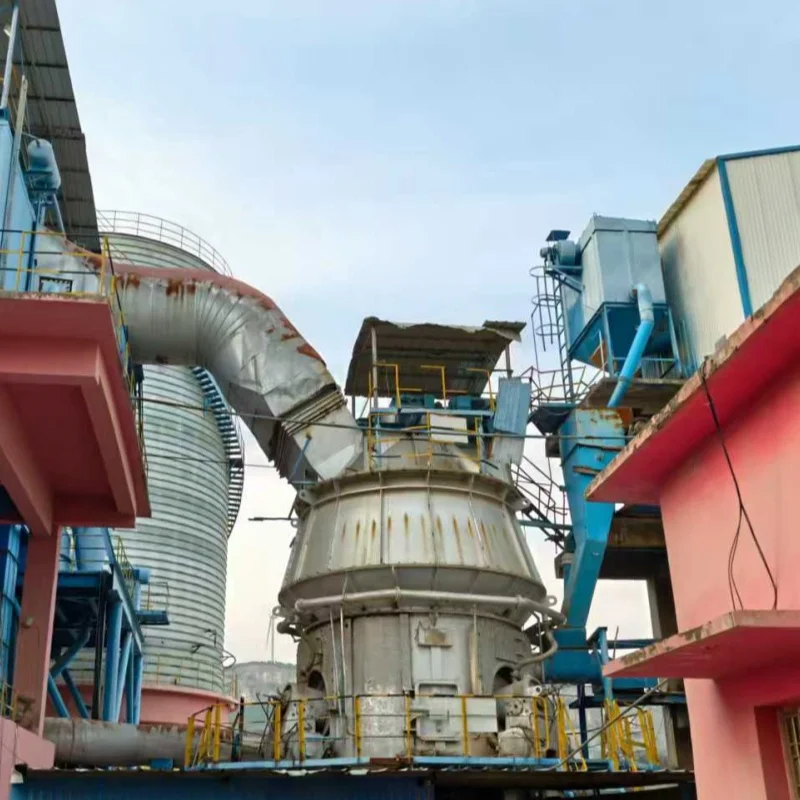
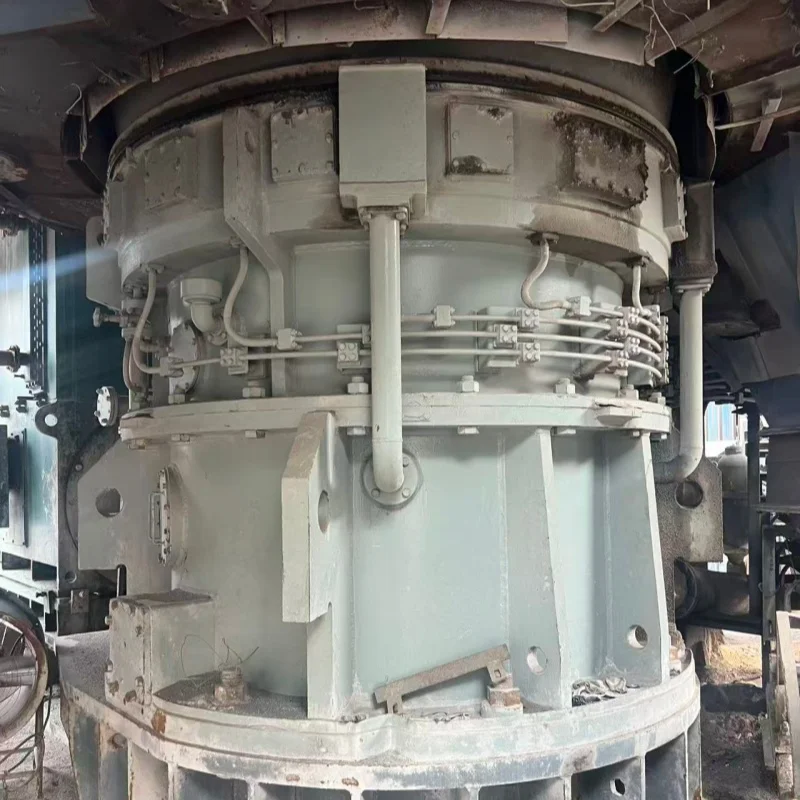
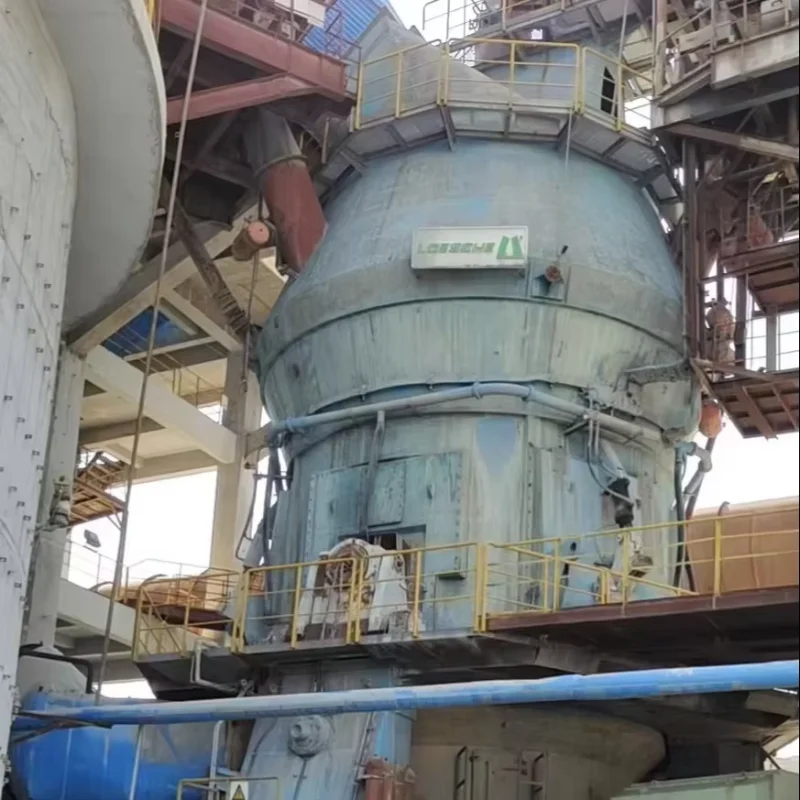
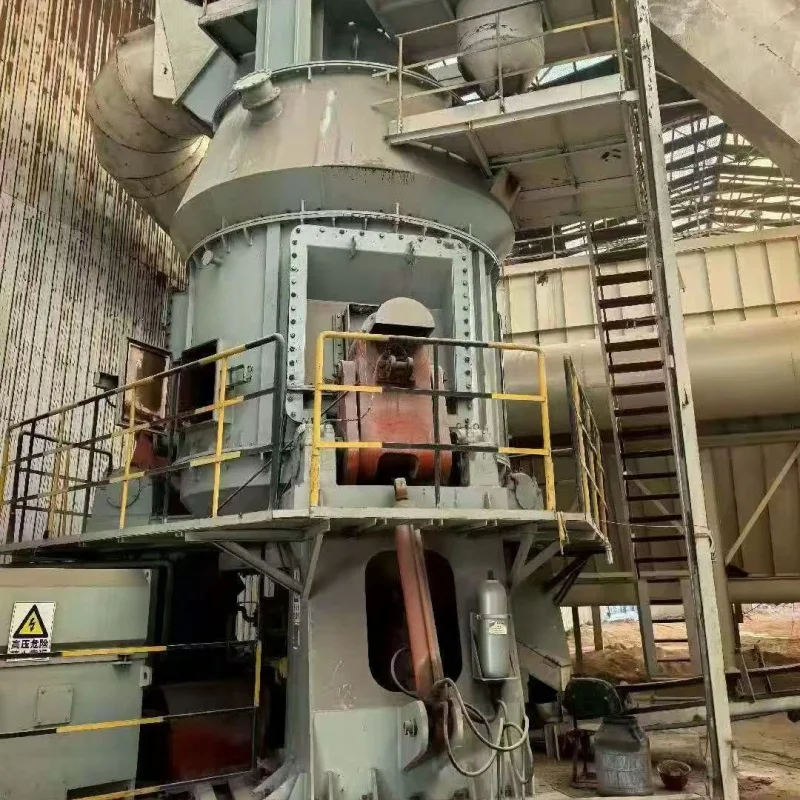
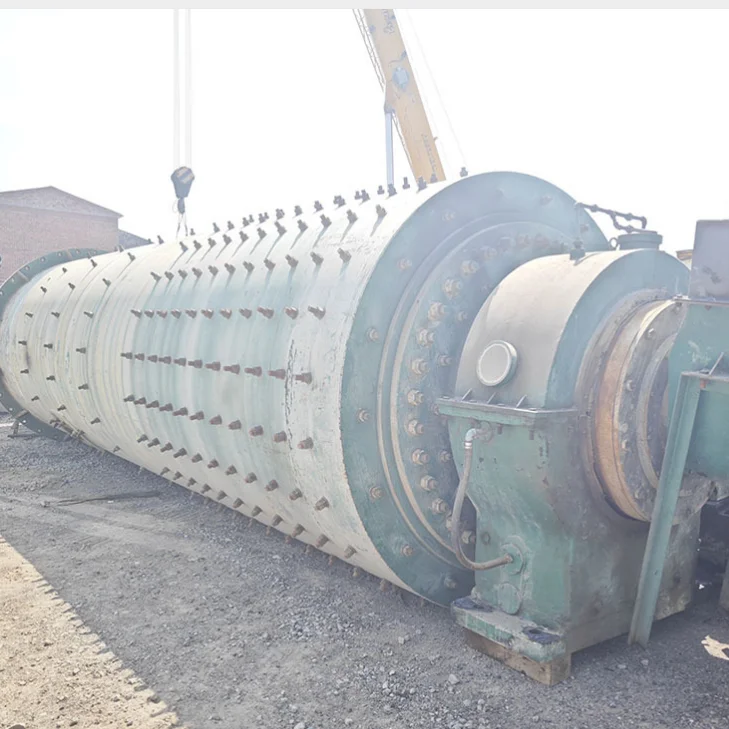
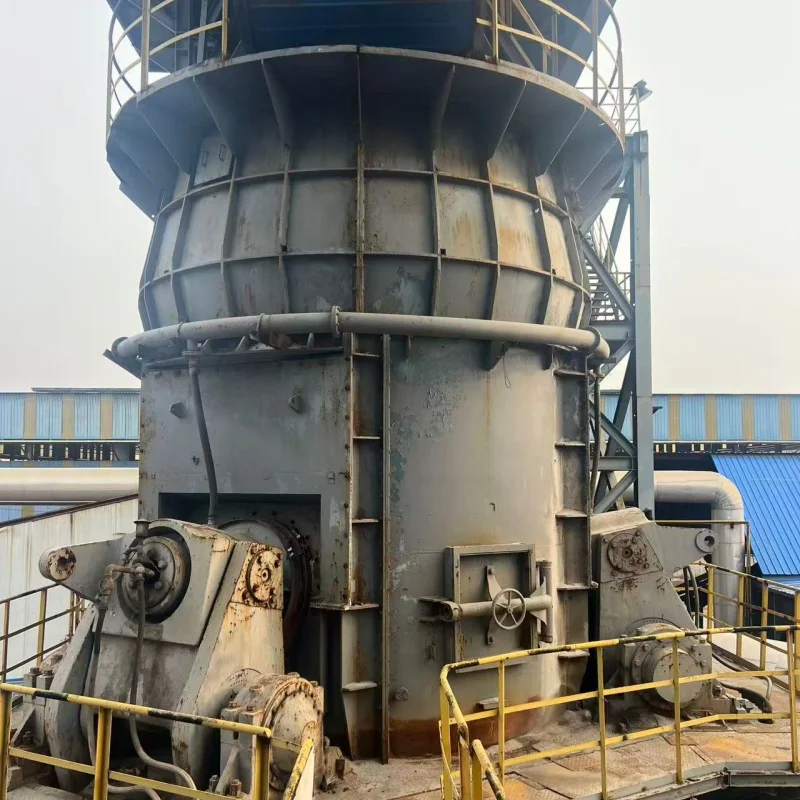
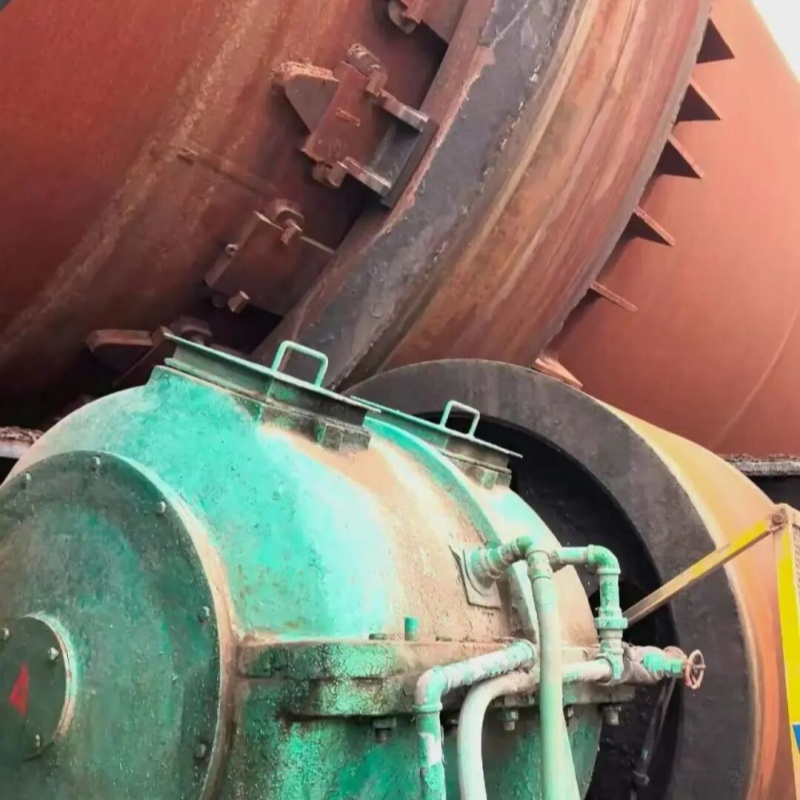
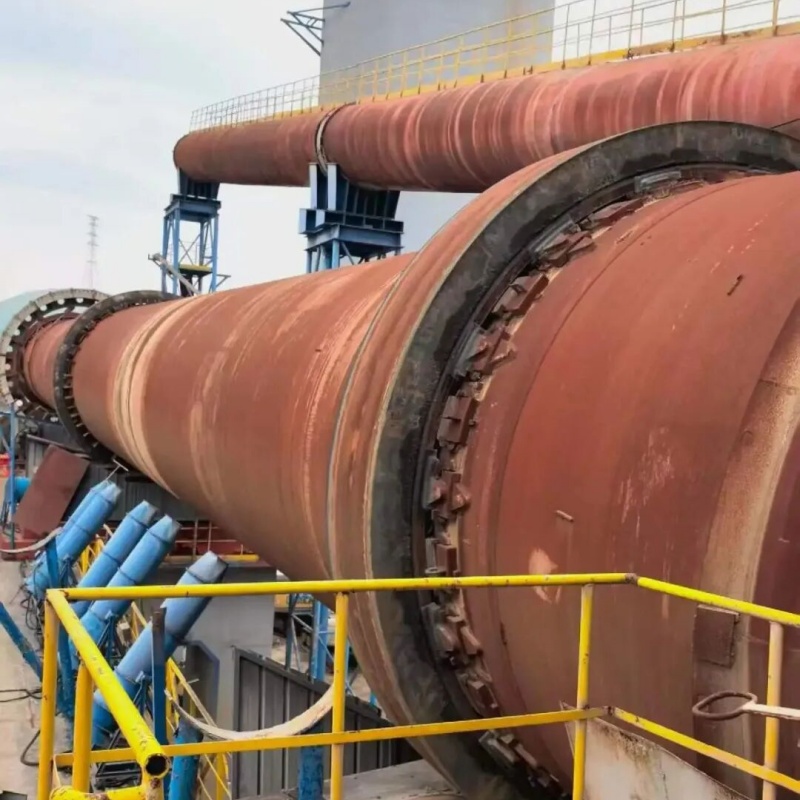
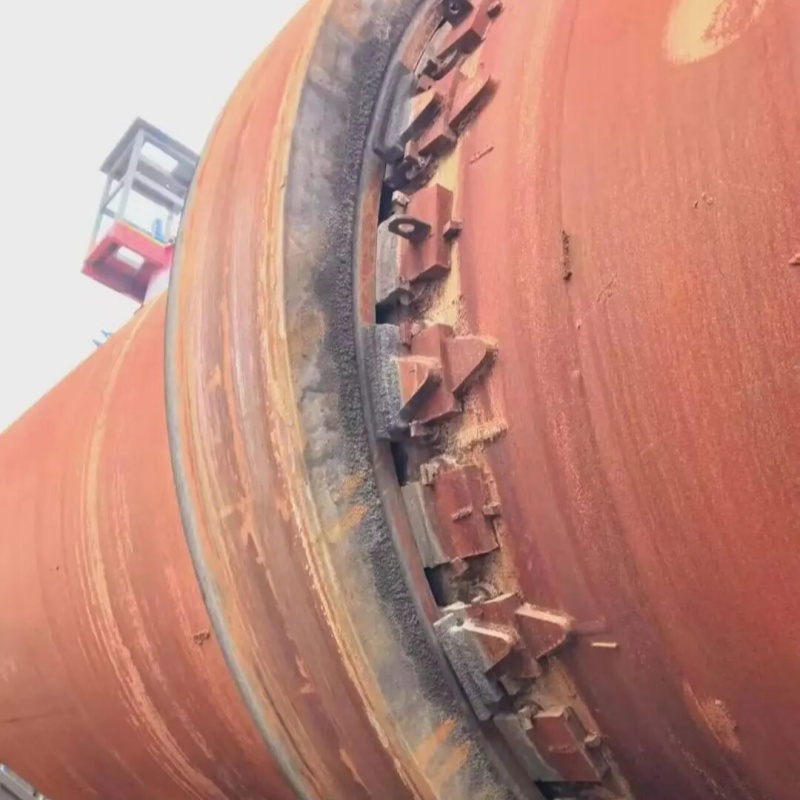
Cement plants are important for building roads, bridges, and buildings. They make a key material called cement, which holds everything together. A big part of the cement-making process is the kiln. The kiln is a huge oven that heats up materials to very high temperatures. This helps change the raw materials into cement. At Insun, we know how important kilns are in cement production. We focus on making kilns that are efficient and reliable, which helps Used Cement Plant produce high-quality cement with less energy. 

High-efficiency kilns are a game changer for cement plants. They are designed to use less energy while still doing a great job. One benefit is that they save money on energy costs. Cement production needs a lot of heat, so using a kiln that works well means that a plant can lower its electricity bills. Also, high-efficiency kilns produce less carbon dioxide. This is good for the environment because it helps fight climate change. When fewer emissions go into the air, it means cleaner air for everyone. Another great thing about these kilns is that they can help make better quality cement. When the temperature is more stable, the cement turns out stronger and more durable. This means that buildings and roads made with this cement will last longer. We believe that using high-efficiency kilns can also make the work easier for the workers. These kilns are often easier to operate and maintain. This means that workers can spend less time fixing problems and more time making cement. In addition, high-efficiency kilns can handle different types of raw materials, which gives cement plants more flexibility. For example, they can use waste materials to make cement, which is good for recycling and reduces waste. By choosing a high-efficiency kiln, cement plants can not only improve their production but also contribute to a healthier planet.
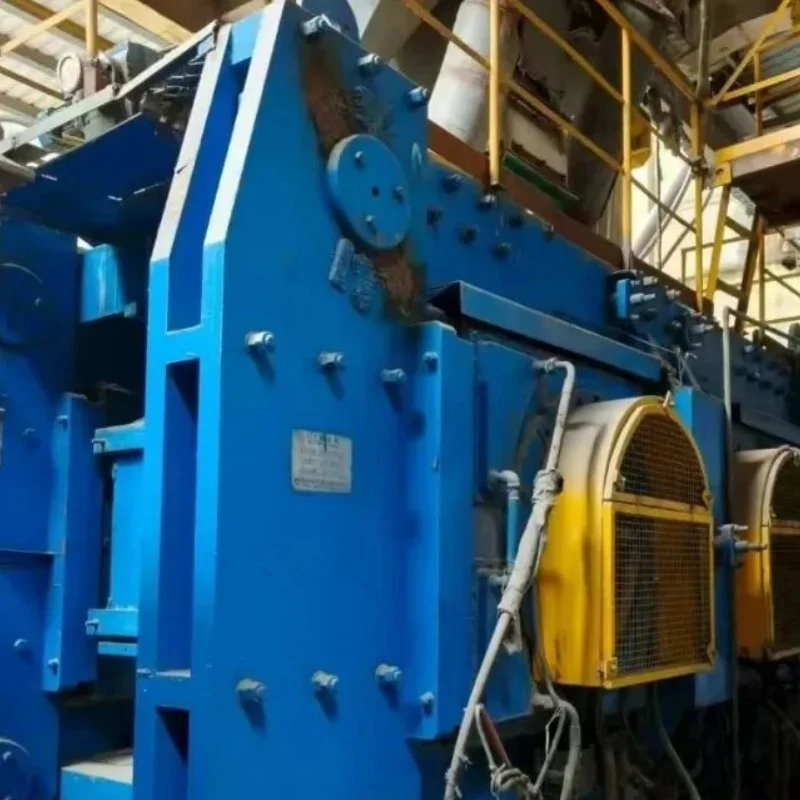
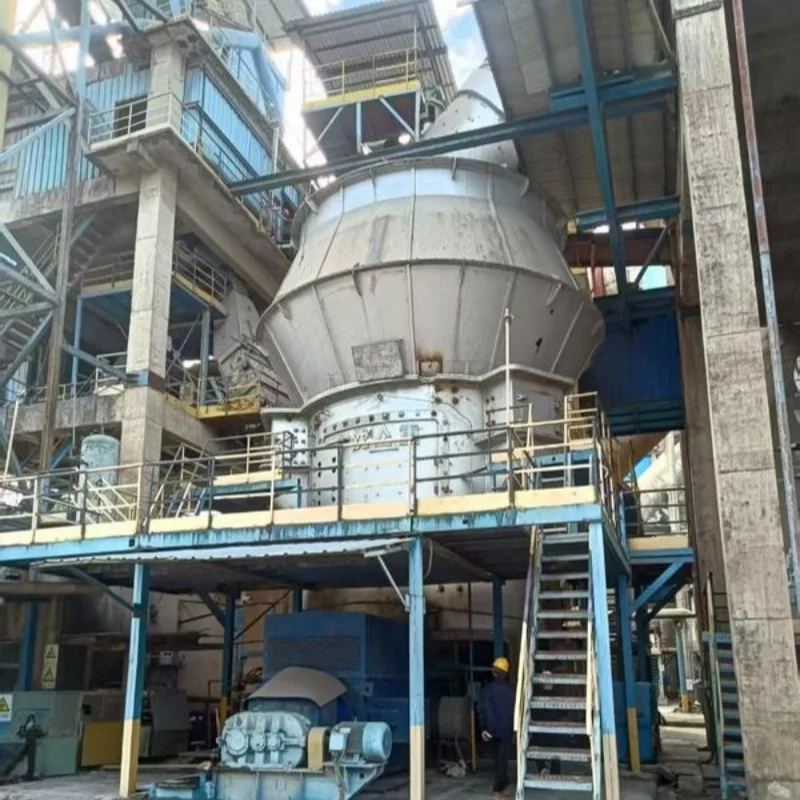
Why choose Insun Kiln in cement plant

What Innovations in Kiln Technology are Transforming Cement Plants?

Kiln technology is changing fast, and this is helping cement plants a lot. Innovations are making kilns smarter and more efficient. One cool development is the use of automation. Automated systems can monitor the kiln's temperature and adjust it in real time. This means the kiln can work at its best without much human intervention. We are excited about how technology can help our kilns run better. Another innovation is the use of advanced materials for kiln construction. These materials can withstand higher temperatures and are more resistant to wear and tear. This means that kilns can last longer and need less maintenance, saving money for the Used Power Plant. Also, some new kilns use alternative fuels, like biomass or waste materials, instead of traditional fossil fuels. This not only helps reduce costs but also lowers emissions, which is good for the environment. There’s also research into using artificial intelligence (AI) to predict when a kiln might need repairs. This proactive approach helps avoid unexpected breakdowns, leading to smoother operations. The combination of these innovations means that cement plants can produce more cement with less energy and at a lower cost. Insun is proud to be part of this exciting change in the industry. By using the latest technology, we can help cement companies meet modern demands while also caring for the planet. 

Cement plants use kilns to turn raw materials into cement. However, these kilns can face several problems. One of the biggest issues is temperature control. The kiln needs to be very hot, often reaching over 1,400 degrees Celsius. If the temperature is too low, the cement won’t form properly. If it's too high, the materials can burn too much and create waste. This can lead to poor quality cement, which is not good for building. Another problem is the wear and tear on the kiln's parts. The kiln has a lot of moving parts that can break down over time. If a part like the kiln shell or the tire wears out, it can lead to shutdowns, which means the plant can't produce cement. This can cost a lot of money and delay construction projects.

Frequently Asked Questions

What types of kilns do you supply for cement plants?

We supply rotary kilns and related kiln system components suitable for various cement capacities, tailored to project requirements and available as part of full production lines or standalone equipment.
Yes. We provide EPC services including kiln installation, commissioning, alignment, and start-up support with experienced site engineers and technical supervision.
Yes. We specialize in plant recycling and can refurbish, retrofit, or upgrade existing kilns to improve efficiency, extend life, and meet current operational standards.
We offer ongoing technical support, maintenance planning, and supply of critical spare parts for kiln shells, refractory, drive systems, rollers, and monitoring components worldwide.
We design and supply kilns with optimized combustion, heat recovery, and emission control options, and provide commissioning tests and documentation to meet performance and local environmental regulations.

Our Blog Posts

What Our Partners Say

What Common Issues Do Cement Plants Face with Kiln Operations?

What Common Issues Do Cement Plants Face with Kiln Operations?

Another issue is dust and pollution. Cement kilns can create a lot of dust, which is bad for the environment and for people's health. Plants need to have good systems in place to manage this dust. They can use special filters and scrubbers to clean the air before it goes outside. Additionally, the kilns can produce gases that are harmful. Cement plants need to find ways to reduce these emissions to keep the air clean. Finally, there can be problems with the materials used in the kiln. If the raw materials are not mixed properly, it can lead to uneven cooking in the kiln. This can affect the final product. So, it is important for cement plants to monitor the raw materials closely. Using good equipment, like that from Insun, can help prevent these common issues and keep the kiln running smoothly.

Where to Source Affordable and Reliable Kiln Equipment for Cement Plants

Where to Source Affordable and Reliable Kiln Equipment for Cement Plants

Finding good and affordable kiln equipment is very important for cement plants. The right equipment can help the kiln work better and last longer. One good place to start looking is online. There are many websites that sell kiln equipment. You can compare prices and read reviews to find the best deals. It is important to look for equipment that is known for being reliable. You want to make sure that the equipment you buy can handle the high heat and tough conditions inside a kiln.

How to Ensure Sustainable Practices in Kiln Operations for Cement Production

How to Ensure Sustainable Practices in Kiln Operations for Cement Production

Sustainability is becoming very important in all industries, including cement production. Cement plants can adopt several practices to be more sustainable, especially in kiln operations. One way to do this is by using alternative fuels. Instead of using only fossil fuels, cement mixing plant can use waste materials like old tires or biomass. These materials can provide energy for the kiln and reduce the need for traditional fuels. This helps lower greenhouse gas emissions and makes the operation more eco-friendly.