Coal Mill Benefits and Efficiency in Cement Plants

application/coal-mill-in-cement-plant, application/coal-mill-in-cement-plant, 
Inquiry
Inquiry

Coal mill in cement plant

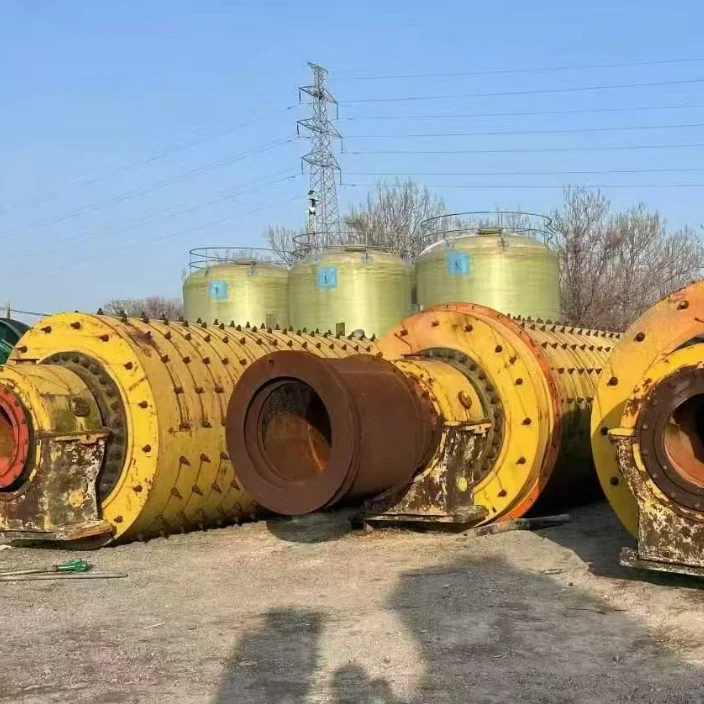
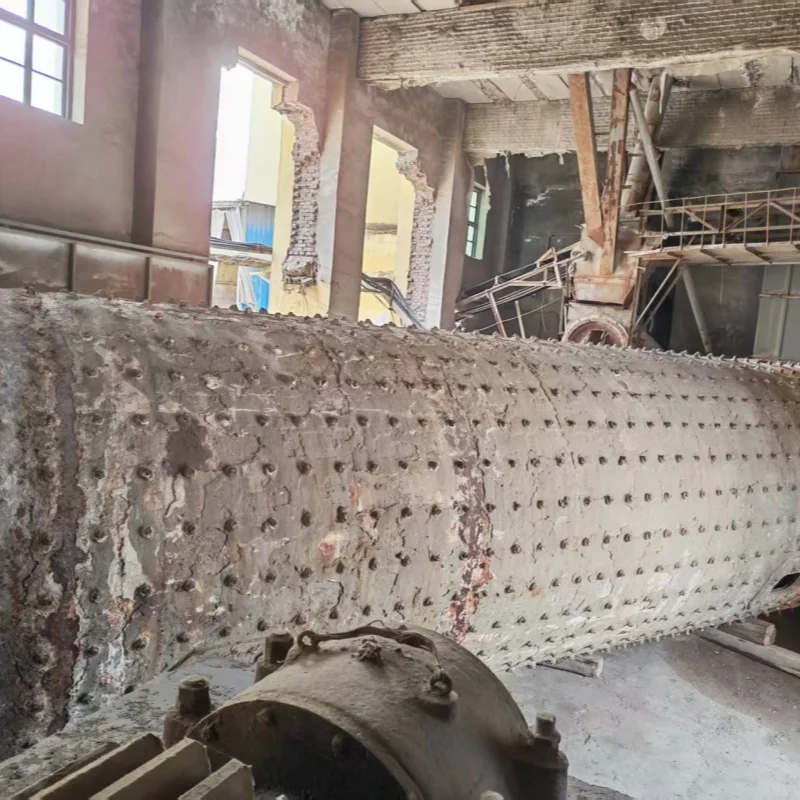
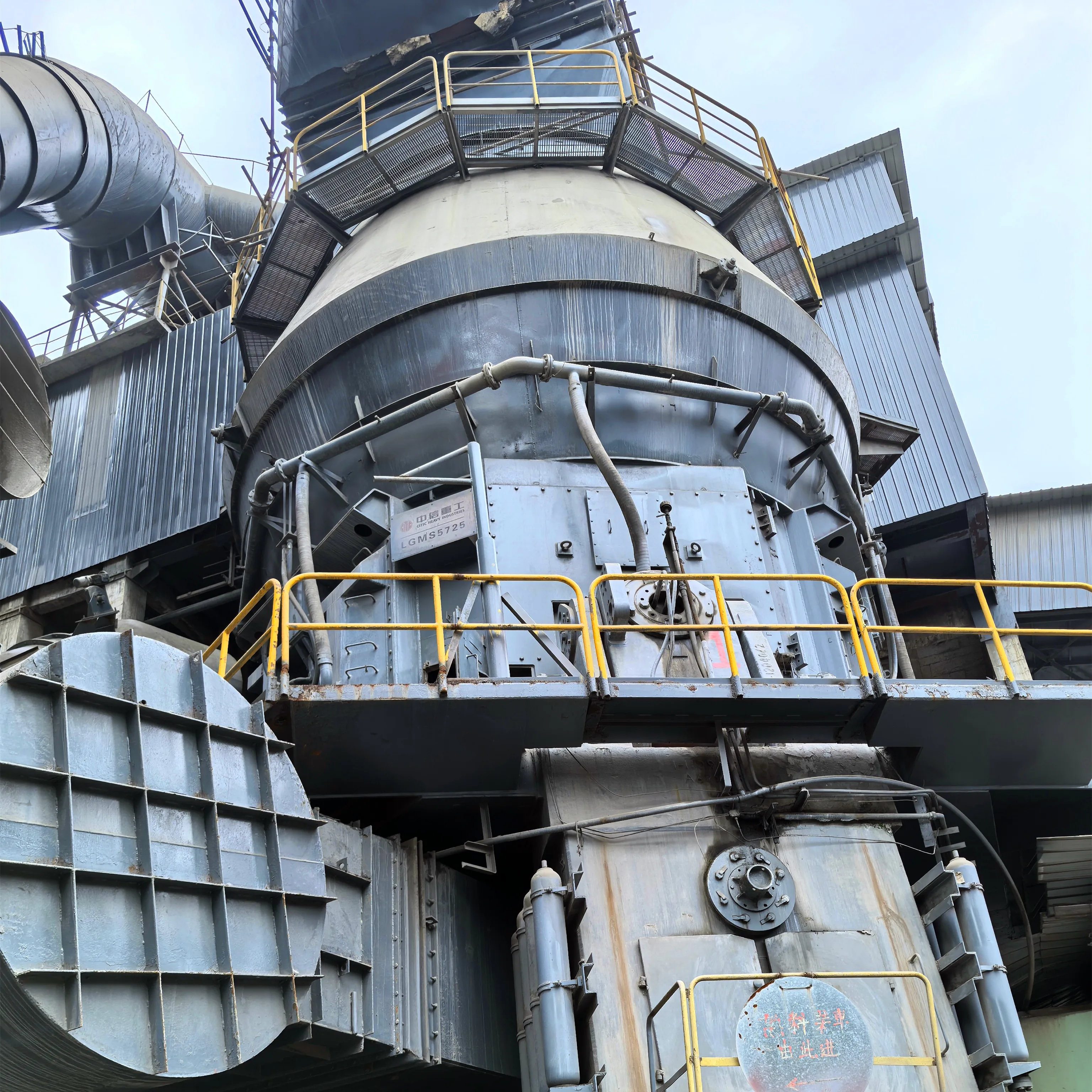
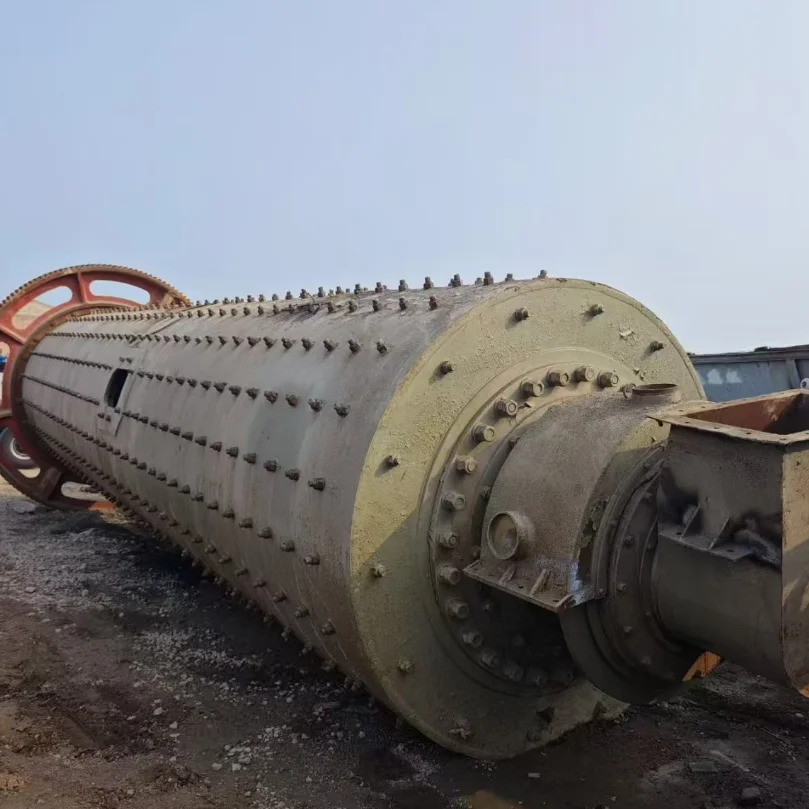
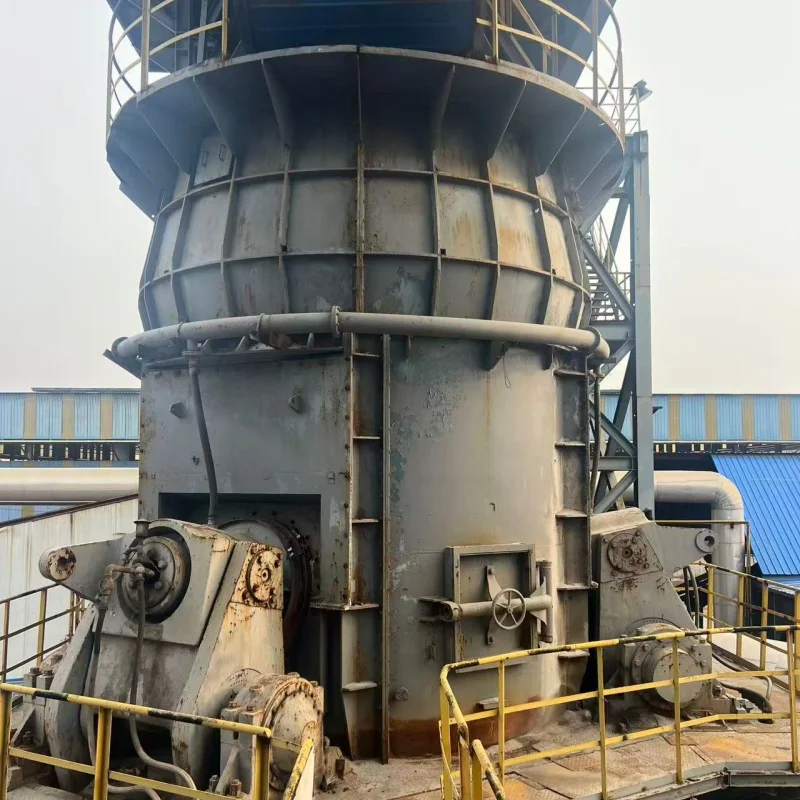
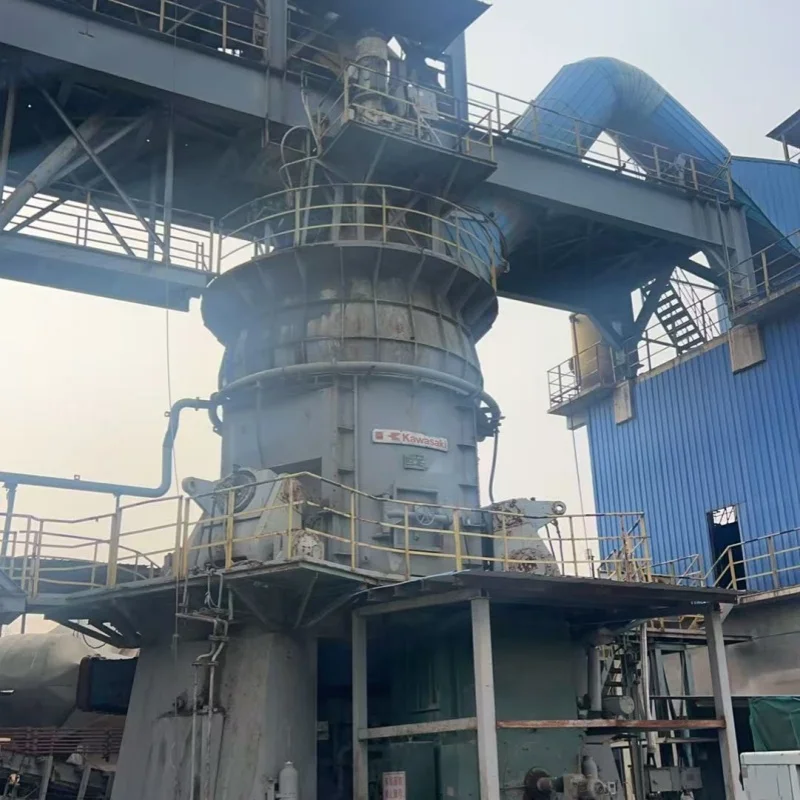
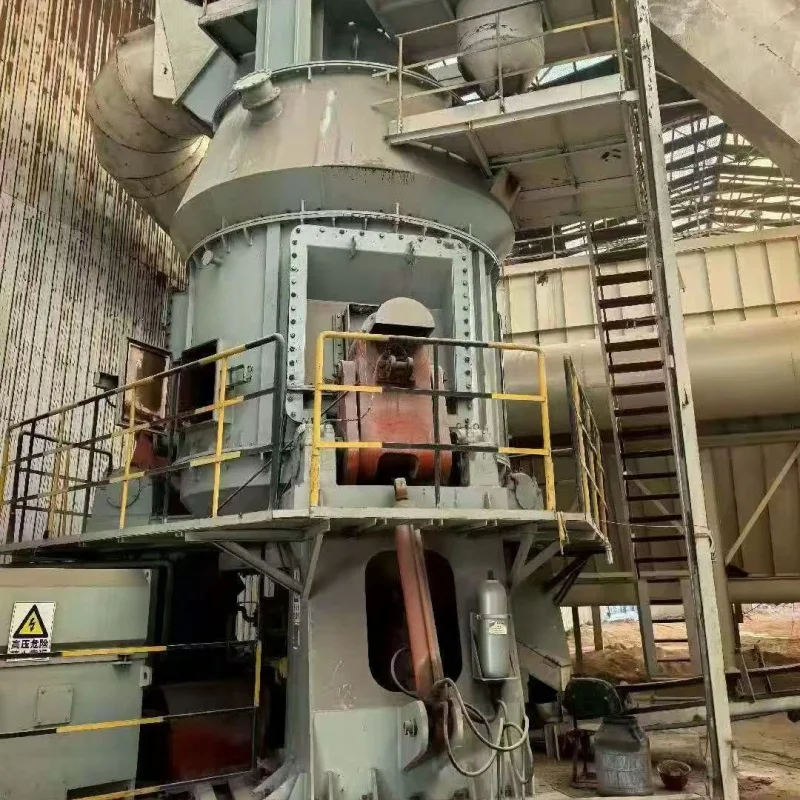
            Cement plants use different machines to help make cement, and one important machine is the coal mill. The coal mill grinds coal into a fine powder. This powder is then burned to create heat, which is needed to make cement. At Insun, we know that coal mills are vital for cement production. The Insun crusher in cement plant help save energy and keep the production process running smoothly. Understanding how coal mills work can help us see why they are so important in cement plants.   

Using a coal mill in cement production has many benefits. First, it helps save energy. When coal is ground into a fine powder, it burns more efficiently. This means that less coal is needed to produce the same amount of heat. It reduces costs because the plant spends less money on fuel. Another benefit is that coal mills can quickly adjust to changes in demand. If more cement is needed, the coal mill can produce more heat in a short time. This flexibility of coal mill is important for keeping up with orders. Also, Insun bucket elevator cement plant help reduce emissions. When coal burns completely, it releases less harmful gases into the air. This is better for the environment and helps cement plants follow strict rules about air quality. Furthermore, using a coal mill allows for a consistent supply of heat. Cement production requires steady temperatures to create quality cement. A coal mill can provide this steady heat, ensuring that the cement is made correctly. Lastly, coal mills are reliable and can last many years with proper maintenance. This means fewer breakdowns and more continuous production. At Insun cement plant machinery, we focus on building high-quality coal mills that provide these benefits to cement plants.         

Why choose Insun Coal mill in cement plant

What Are the Key Benefits of Using a Coal Mill in Cement Production?

A coal mill improves efficiency in cement manufacturing in several ways. First, it ensures that the coal is finely ground, which is crucial for effective burning. When coal particles are small, they have more surface area exposed to heat, allowing them to burn faster and more completely. This leads to better energy use and less waste. Second, coal mills can operate at various speeds. This means they can match the production needs of the cement plant. If the plant needs more heat, the coal mill can speed up to deliver it instantly. On the other hand, if less heat is needed, the mill can slow down. This quick response helps maintain the right temperature, which is key for making strong cement. Additionally, coal mills are easy to control. Operators can monitor the performance from a distance, making it simple to make adjustments when needed. This automation of coal mill helps save time and reduce errors in the production process. The coal mill also helps the entire plant run more smoothly. By providing a steady heat supply, it keeps the other machines working efficiently and reduces the chances of problems. At Insun, we design coal mills with these features in mind, ensuring they help cement plants be as efficient as possible.   

When it comes to coal mills in cement plants, maintenance is super important. A coal mill is a machine that grinds coal into a fine powder, which is then used to heat up the kiln where cement is made. If the coal mill is not taken care of, it can break down, and that can cause big problems. First, regular checks are needed. This means looking at the parts of the coal mill to make sure everything is working well. If something looks worn out or broken, it should be fixed right away. For example, the grinding rollers and the table should be checked often because they do a lot of work. If they wear down too much, the coal won’t be ground correctly, which can lead to poor cement quality.


Frequently Asked Questions

What is a coal mill in a cement plant?

A coal mill pulverizes coal for combustion in the kiln or power system, supplying consistent fuel particle size for stable firing and energy efficiency.
We supply vertical roller mills and ball/hammer type mills suitable for cement production lines, tailored by capacity and thermal requirements.
Yes. We offer EPC services including supply, installation, commissioning and on-site technical support for coal mill integration.
We design mills with dust control, sealing systems, explosion mitigation and emission controls to meet industry safety and environmental standards.
Yes. We provide spare parts, preventive maintenance plans, troubleshooting and remote or on-site technical assistance globally.

Our Blog Posts

What Our Partners Say

How Does a Coal Mill Improve Efficiency in Cement Manufacturing?

How Does a Coal Mill Improve Efficiency in Cement Manufacturing?

Maximizing the performance of your coal mill in cement production is crucial for making high-quality cement. One way to do this is by making sure that the coal going into the mill is the right type and size. Different types of coal have different energy levels. Using the best type for your process can help the mill run better. If the coal pieces are too big, they won’t grind well. So, it’s important to check the size of the coal before it gets to the coal mill.     

Maximizing the performance of your coal mill in cement production is crucial for making high-quality cement. One way to do this is by making sure that the coal going into the mill is the right type and size. Different types of coal mill have different energy levels. Using the best type of coal mill for your process can help the mill run better. If the coal pieces are too big, they won’t grind well. So, it’s important to check the size of the coal before it gets to the mill.     

Regular maintenance is another key factor in maximizing the performance of a coal mill. Operators should inspect important components, such as grinding rollers, liners, and bearings, to ensure they are in good condition. Replacing worn parts on time can prevent unexpected breakdowns and keep the mill operating efficiently. Keeping the equipment clean also helps reduce dust buildup and improves overall performance.  

It is also important to monitor the mill's operating conditions, including temperature, airflow, and grinding pressure. These factors of coal mill affect how efficiently the coal is processed. Modern monitoring systems can provide real-time data, allowing operators to make quick adjustments when needed. Proper training for operators is equally valuable, as experienced workers can identify potential issues early and make the necessary changes to maintain stable production. By combining high-quality coal mill, routine maintenance, and careful monitoring, cement plants can improve productivity, reduce energy consumption, and extend the service life of their coal mills.


What Should You Know About Maintenance for Coal Mills in Cement Plants?

What Should You Know About Maintenance for Coal Mills in Cement Plants?

Finally, it’s important to look at how the coal mill fits into the entire cement production process. All parts of the plant work together, and if one part is not working well, it can affect everything else. By looking at the big picture, you can find ways to improve the efficiency of the entire plant. At Insun, we provide solutions that help to connect all parts of the cement production process, ensuring that your coal mill is running at its best.


How to Maximize Performance of Your Coal Mill in Cement Production

How to Maximize Performance of Your Coal Mill in Cement Production

Quality control in coal mill operations is key to producing high-quality cement. It starts with monitoring the coal itself. The type of coal used can affect the final product. Therefore, it’s essential to test the coal before it is used in the mill. This means checking for moisture content, ash content, and other factors. If the coal doesn’t meet the required standards, it should not be used.