Cement Plant Equipment for Efficient Production

application/cement-plant-machinery, application/cement-plant-machinery, 
Inquiry
Inquiry

Cement plant machinery

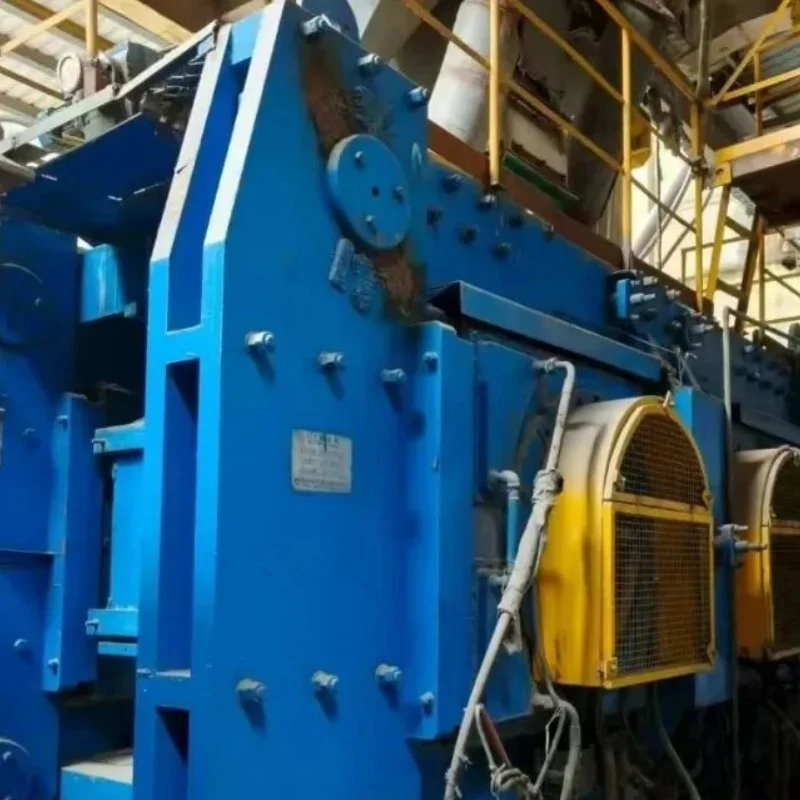
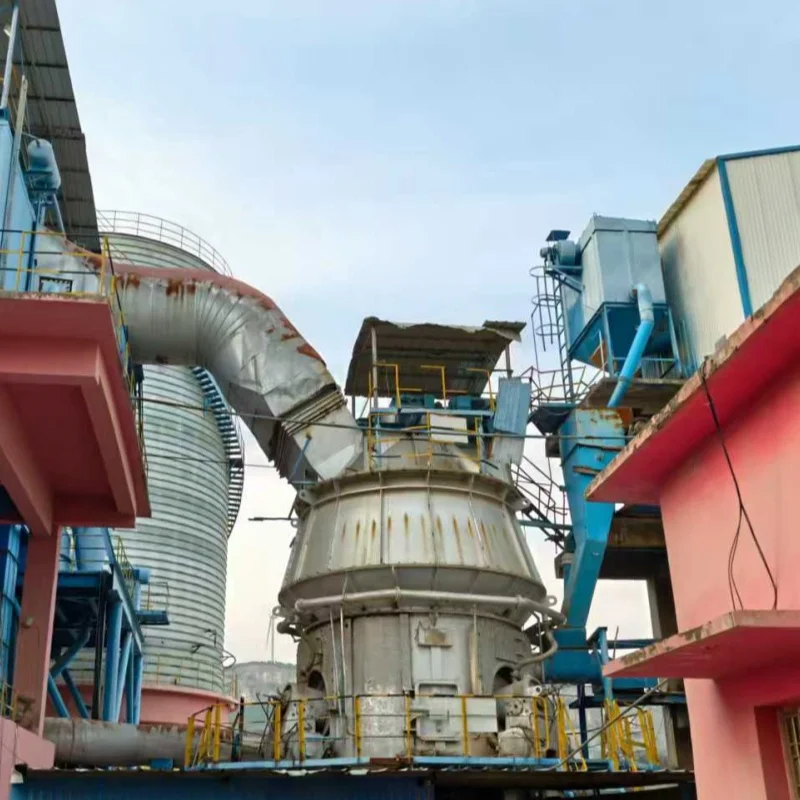
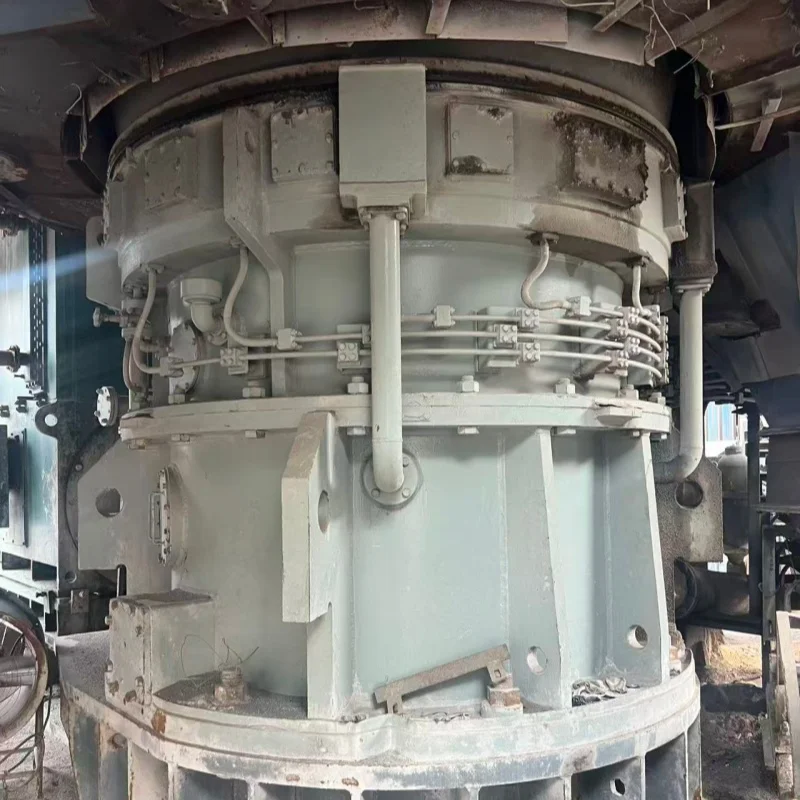
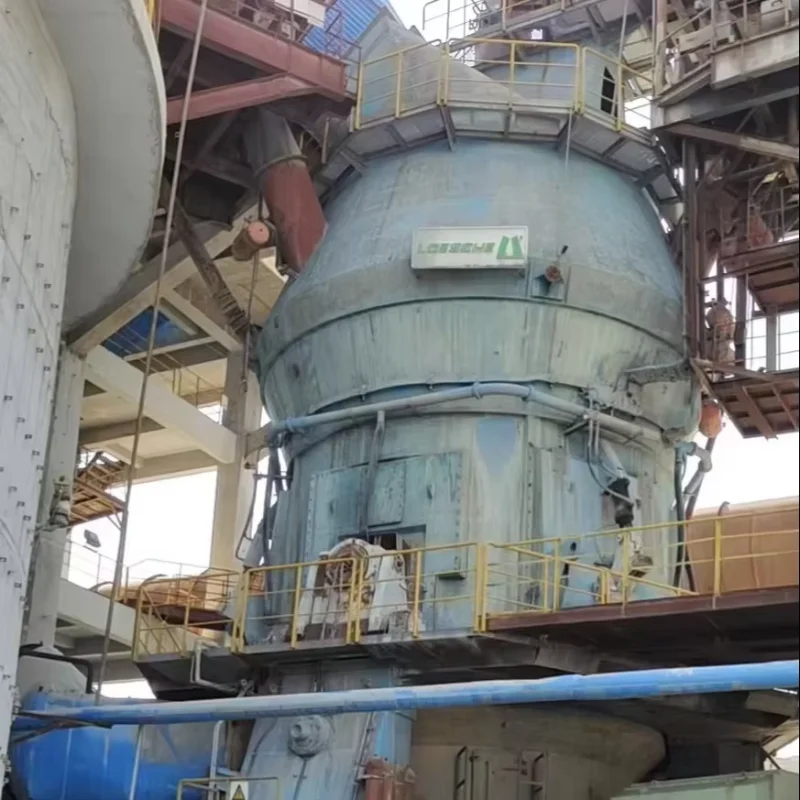
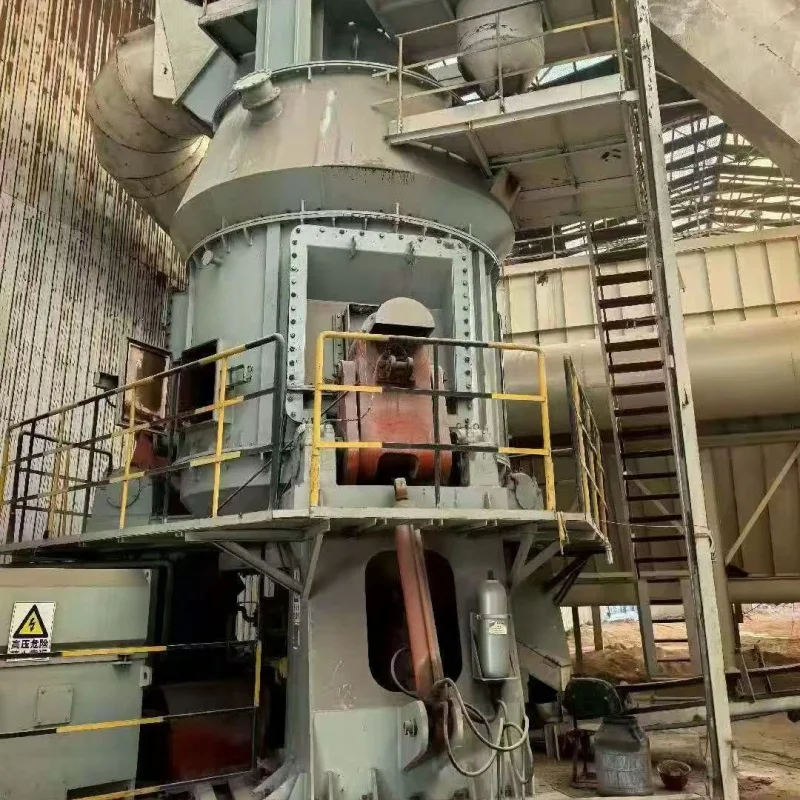
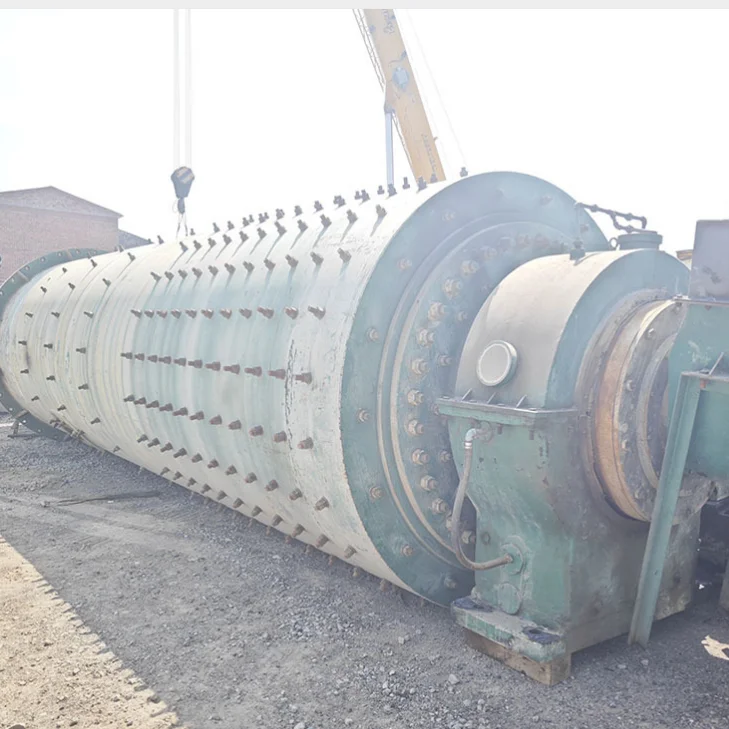
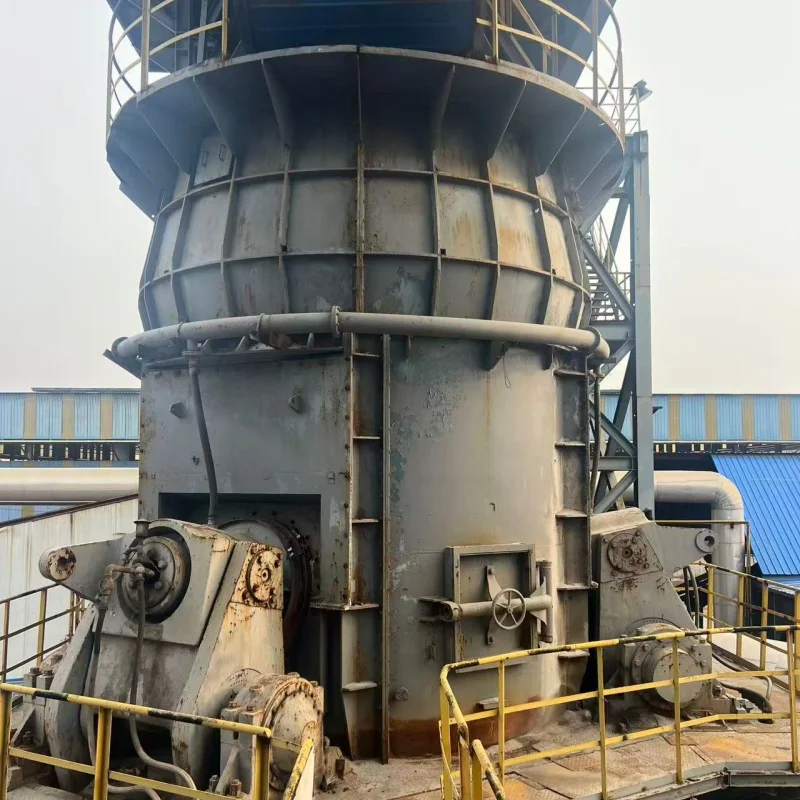
Heavy industrial cement machinery forms the backbone of global infrastructure development, providing the massive automation necessary to manufacture the foundational binders used in roads, bridges, and commercial structures. The modern manufacturing process is a complex, capital-intensive engineering sequence that requires heavy-duty cement production equipment for processing raw limestone, homogenizing raw meal, and executing high-temperature thermal synthesis inside rotary kilns. Specialized global manufacturers like Insun design and engineer these durable setups to handle rigorous, non-stop workloads while optimizing overall output. By deploying precisely calibrated plant machinery, a production facility can dramatically streamline its raw-to-finish workflows, minimize unscheduled downtime, and maintain tight chemical uniformity. Ultimately, investing in the right combination of cement machinery determines how reliably a cement mixing plant can maintain peak daily production.


Why choose Insun Cement plant machinery

How to Choose the Right Equipment for Your Cement Manufacturing Needs?

Selecting the optimal configuration of cement production equipment for a manufacturing facility requires a comprehensive evaluation of plant capacity, chemical processing demands, and technological integration. Large-scale regional operations require ultra-high-capacity plant machinery, such as long-radius rotary kilns and heavy crushers, whereas smaller localized facilities can operate efficiently with modular grinding mills. Furthermore, the specific mineral composition of the target product dictates whether a facility requires specialized cement machinery like supplementary blenders, automated additive feeders, or multi-stage preheaters. Prioritizing modern cement production equipment equipped with advanced automation and energy-recovery systems allows operators to drastically cut fuel consumption and lower environmental emissions. Partnering with a leading global supplier like Insun ensures that a factory secures access to critical post-installation technical support, predictive maintenance scheduling, and tailored engineering assistance for all their kiln in cement plant machinery.


Frequently Asked Questions

What cement plant machinery do you supply?

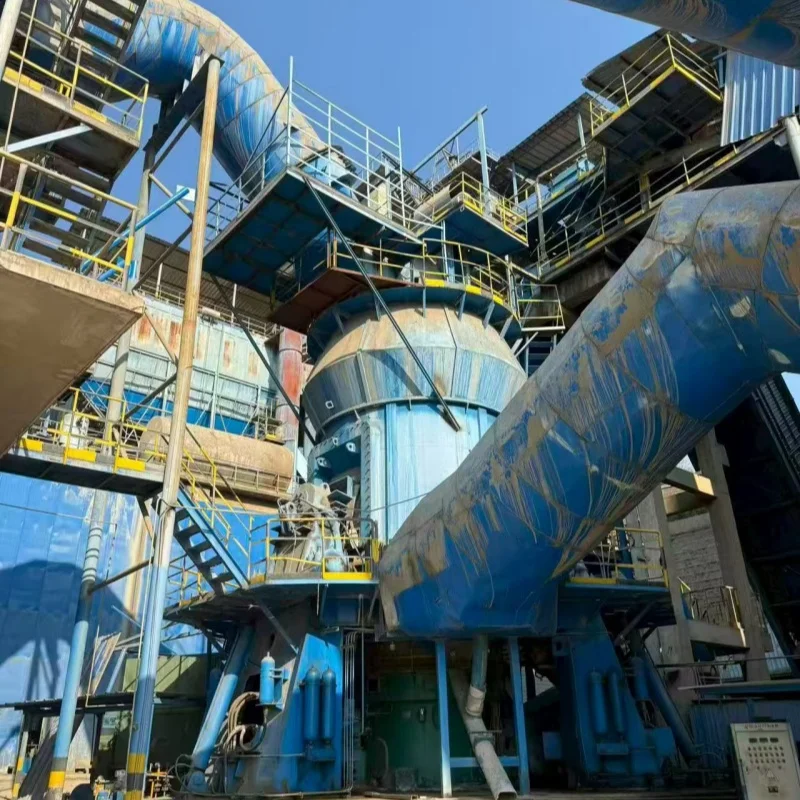
We supply complete cement production lines including vertical mills, rotary kilns, crushers, conveyors, and auxiliary systems tailored for new builds or upgrades.
Yes. We offer EPC services covering design, procurement, construction, commissioning, and handover for cement plant projects.
Yes. We deliver global installation, start-up assistance, training, maintenance plans, and long-term technical support.
Yes. We specialize in industrial plant recycling and offer retrofit solutions to improve efficiency, reduce emissions, and extend equipment life.
We provide equipment supply, EPC and power plant solutions worldwide, with logistics and remote or on-site technical support as required.

Our Blog Posts

What Our Partners Say

Where to Source Reliable Suppliers for Cement Plant Machinery Wholesale?

Where to Source Reliable Suppliers for Cement Plant Machinery Wholesale?

Navigating the global industrial supply chain to secure reliable plant machinery requires systematic vendor vetting, direct product evaluation, and a balanced approach to capital investment. Procurement teams can initiate this rigorous process by auditing digital engineering portfolios, examining international cement machinery compliance certifications, and reviewing operational feedback from peer facilities. Attending international trade expositions provides a valuable opportunity to inspect active cement production equipment firsthand, witness live mechanical demonstrations, and discuss technical tolerances directly with manufacturing engineers. Engaging in direct peer-to-peer consultations with established plant managers can also reveal critical long-term performance insights regarding how specific plant machinery brands handle high-abrasion raw materials under non-stop schedules. Reputable manufacturers like Insun distinguish themselves by offering comprehensive structural warranties and field-service guarantees, ensuring that initial capital investments in cement machinery deliver long-term reliability. To navigate these high-stakes capital expenditures safely, procurement teams must go beyond superficial sales presentations and execute deep-dive technical audits of a manufacturer’s actual engineering capabilities. This means closely examining factory heat-treatment processes for grinding components and evaluating the structural integrity of structural welds on high-vibration equipment, as these metallurgical factors directly determine how well the systems will survive decades of intense physical stress. Furthermore, a secure supply chain requires establishing ironclad guarantees for long-term spare parts availability, ensuring that crucial replacement components like kiln tires, thrust rollers, and gearboxes remain readily accessible to prevent catastrophic production downtime. By coupling rigorous physical inspections with comprehensive performance bonds and clear technical metrics, an industrial operation can confidently align its heavy cement production equipment acquisitions with both strict regulatory environmental standards and daily volumetric output targets.


What Common Issues Do Buyers Face When Purchasing Cement Machinery?

What Common Issues Do Buyers Face When Purchasing Cement Machinery?

The procurement process for heavy industrial cement production equipment is frequently complicated by technical configuration challenges, market fragmentation, and hidden logistical expenses. Because a functional production line relies on an interconnected sequence of diverse subsystems, buyers often struggle to ensure absolute mechanical compatibility when combining different brands of plant machinery. This technical ambiguity is further compounded by a crowded market filled with varied performance claims, making it difficult for teams to accurately verify the total lifecycle value of their chosen cement machinery. Additionally, the substantial baseline cost of automated cement production equipment can strain corporate capital budgets, forcing financial planners to make difficult compromises between immediate capital conservation and long-term asset reliability. If buyers fail to account for secondary expenses related to shipping, heavy-lift logistics, and foundation engineering for their plant machinery, these unbudgeted fees can create severe financial friction late in the deployment timeline. Expanding on these challenges, the mechanical complexity of integrating a multi-tiered cement line requires flawless synchronization between primary jaw crushers, raw grinding mills, and massive pyro-chemical rotary kilns. A minor mismatch in material mass-flow rates or automated control protocols between different brands of cement machinery can trigger catastrophic bottle-necking, driving down volumetric efficiency and accelerating component wear. Furthermore, the true total cost of ownership (TCO) of heavy plant machinery is often obscured by operational variables such as variable power consumption, localized spare parts availability, and the frequency of unscheduled downtime. When engineering and financial teams fail to establish stringent, legally binding service-level agreements (SLAs) and clear technical compatibility benchmarks with manufacturers like Insun, the hidden costs of field modifications and custom structural retrofitting can quickly overrun a facility’s initial contingency budget.


Where to Get Expert Advice on Cement Plant Machinery Selection?

Where to Get Expert Advice on Cement Plant Machinery Selection?

Acquiring specialized engineering counsel is critical for mitigating the financial and technical risks associated with assembling or upgrading modern plant machinery. Consulting directly with experienced application engineers, such as the technical design team at Insun, provides procurement managers with precise, data-driven guidance on optimizing equipment sizing and maximizing thermal efficiency. Participating in international heavy industry symposiums further expands a company's technical network, offering direct access to specialized plant designers who understand the nuances of integrating high-yield cement plant equipment. Additionally, monitoring peer-reviewed manufacturing journals allows corporate decision-makers to keep track of emerging trends in cement production equipment, such as alternative fuel firing systems. Leveraging this collective industry expertise ensures that a facility's final selection of plant machinery aligns perfectly with modern environmental regulations and best operational practices.