 EN
EN
5000TPD Cement Plant Relocation Project Case to Egypt (With VRM CITIC LGMS 5725)
2026/05/24
Explore the successful 5000TPD cement plant relocation to Egypt featuring VRM CITIC LGMS 5725. Learn more with Insun.

Commenced in March 2024, this project focuses on the full installation, system integration and commissioning of a 300MW thermal power plant in Yemen, designed to address the local power shortage and support regional energy infrastructure development. As a key overseas power engineering project, it covers the complete lifecycle from equipment hoisting, mechanical erection, electrical and instrumentation (E&I) installation to unit commissioning and performance testing, providing a stable and reliable power generation solution for the local grid.
The core equipment of the plant includes a 300MW steam turbine generator set, the central component of the power plant that directly determines overall power generation capacity and operational stability. The steam turbine generator system adopts a mature subcritical, single-shaft, reheat condensing design, which is widely used in medium-sized thermal power plants globally. The generator unit consists of the steam turbine (left section) and the synchronous generator (yellow main body), connected by a rigid coupling. High-temperature and high-pressure steam drives the turbine to rotate, which in turn drives the generator to produce electricity, with the entire system mounted on a heavy-duty foundation to ensure vibration stability during long-term operation.
The overall project scope covers all key systems of the thermal power plant. During the mechanical installation phase, professional hoisting and precision alignment are carried out for large-scale equipment such as the steam turbine generator, boiler, condenser, feed water pump and cooling tower. Critical tasks include precision installation of the turbine shafting, bearing assembly, shaft alignment and coupling calibration, all performed to meet strict international power plant construction tolerance standards for vibration and concentricity. Meanwhile, boiler pressure parts, heating surface tubes, and auxiliary equipment such as coal mills, fans and dust collectors are installed in compliance with relevant codes and specifications.
The electrical and instrumentation installation phase is essential to ensure the plant’s safe and automatic operation. This includes laying high-voltage power cables, installing switchgear, transformers, generator circuit breakers and distribution systems, as well as setting up the Distributed Control System (DCS), Safety Instrumented System (SIS) and various field instruments such as pressure transmitters, temperature sensors and flow meters. The DCS system serves as the plant’s central control platform, enabling real-time monitoring, automatic control and interlock protection of all processes from boiler combustion to turbine speed regulation and generator synchronization.
Commissioning is the final verification stage to confirm that all systems meet design specifications. The process includes individual equipment commissioning (e.g., motor no-load tests, valve stroke tests), system commissioning (e.g., boiler water circulation tests, turbine oil flushing, vacuum system tests), and unit overall commissioning (e.g., boiler ignition, turbine rolling, generator synchronization, load tests). The performance test phase further verifies key indicators such as turbine heat rate, generator output, boiler efficiency and emission levels, ensuring the unit can operate stably at rated 300MW capacity.
Considering Yemen’s harsh operating environment, the project implements targeted measures for equipment adaptability. Anti-corrosion treatment is applied to outdoor equipment and pipelines to withstand high temperatures and humidity, while the plant’s control and protection systems are optimized for unstable grid conditions, enhancing power supply reliability.
This 300MW power plant installation and commissioning project effectively addresses Yemen’s pressing power demand, providing stable electricity for industrial production, residential use and public services. It demonstrates full-process engineering capabilities in overseas power plant construction, from precision mechanical installation to complex system integration and commissioning. The project also accumulates valuable experience in power plant construction under challenging environmental and logistical conditions, offering a replicable model for future energy infrastructure projects in the regions.
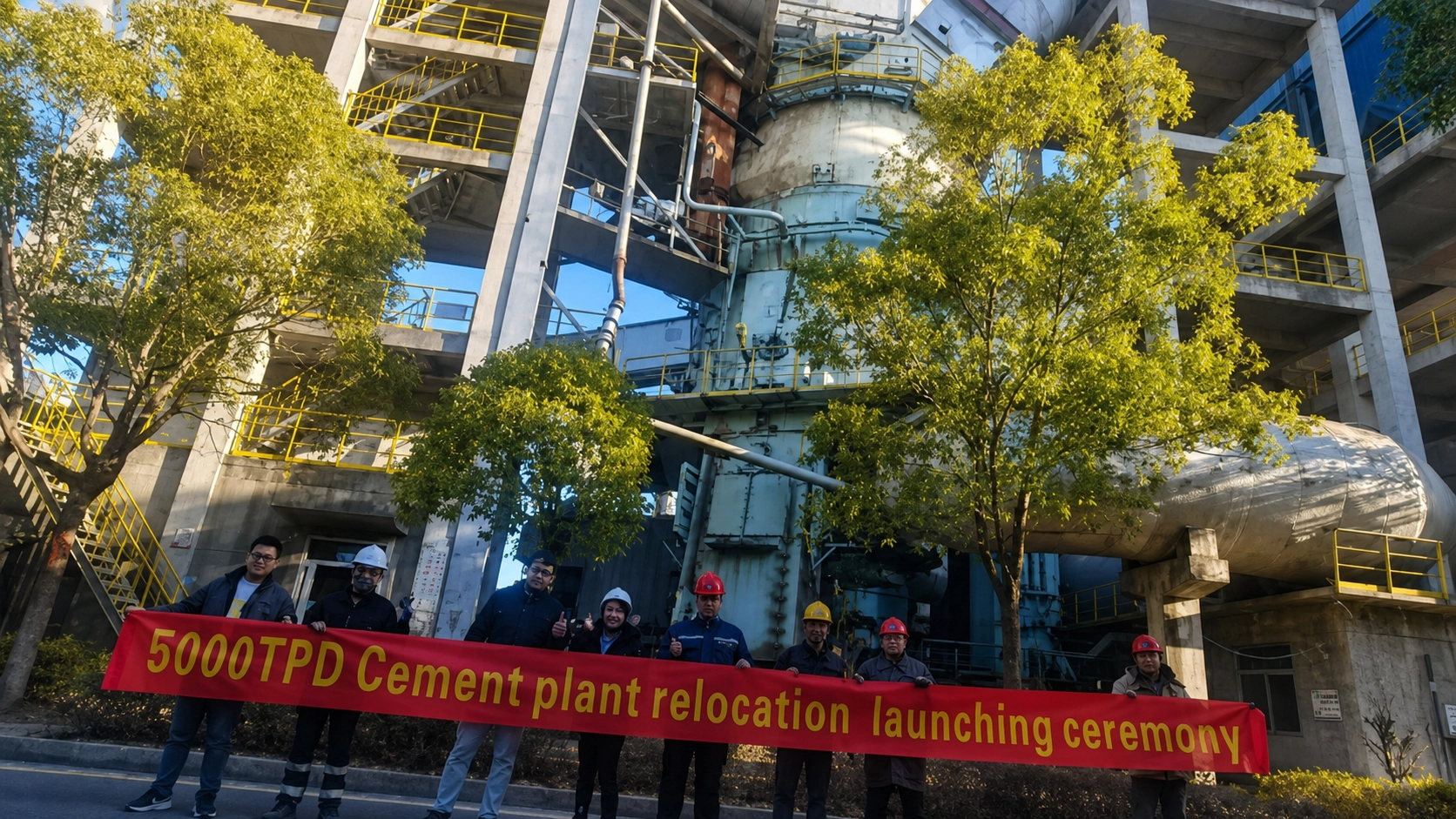
2026/05/24
Explore the successful 5000TPD cement plant relocation to Egypt featuring VRM CITIC LGMS 5725. Learn more with Insun.
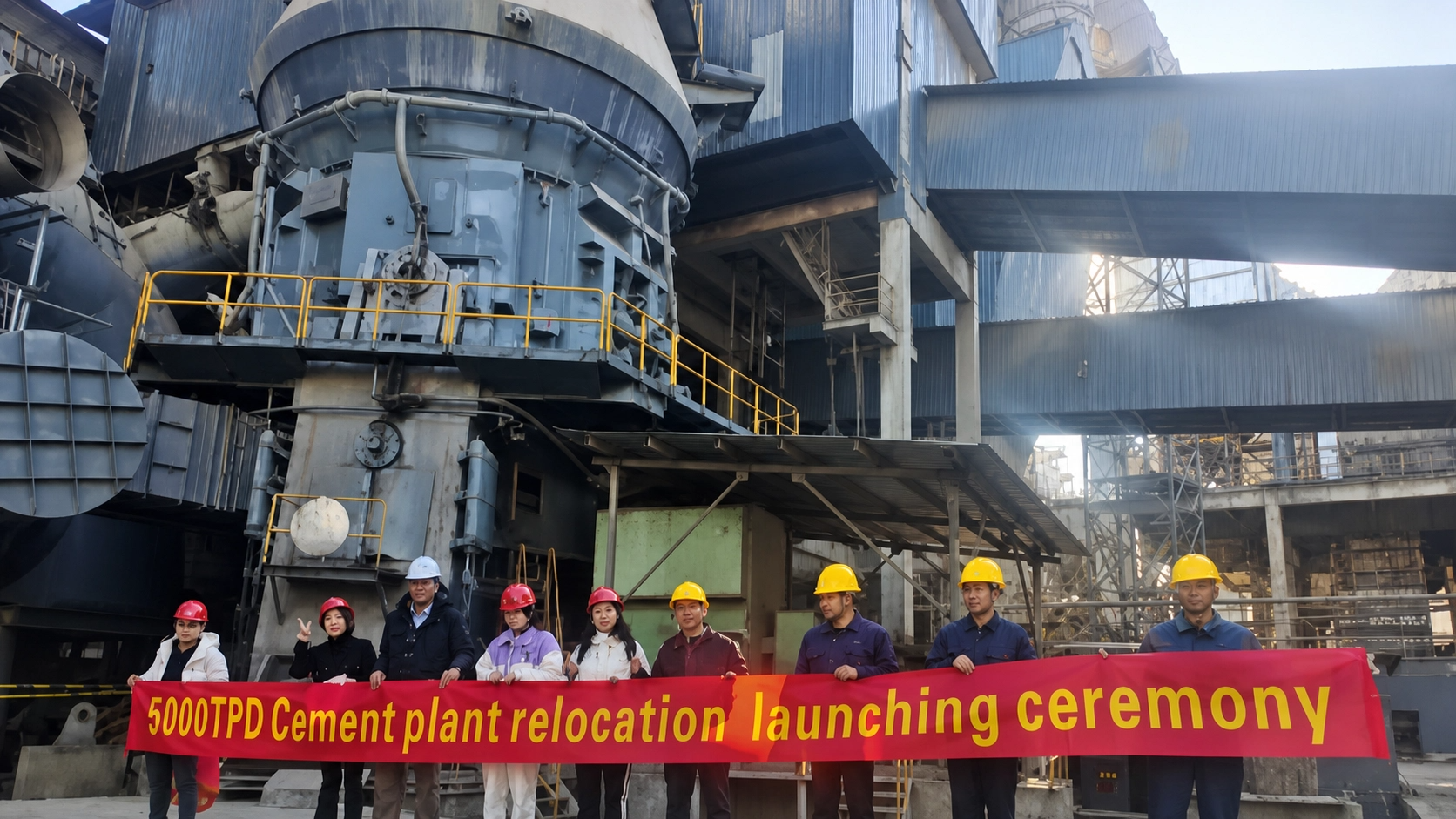
2026/05/23
Explore the relocation of a 5000TPD cement plant to Pakistan, featuring the advanced VRM CITIC LGMS5725 technology.
