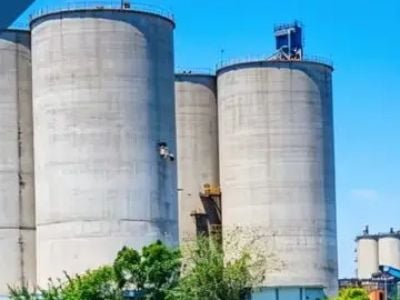
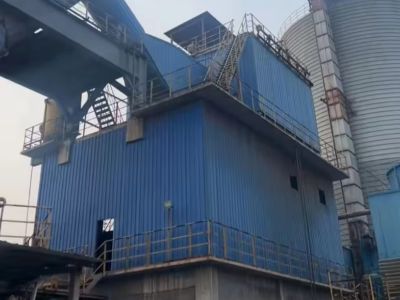
Creating a stable cement production line is important for making strong and durable cement. Cement is used in many building projects, like houses and roads. A good production line helps ensure that the cement is made right every time. At Insun, we focus on designing cement production lines that are efficient and reliable. Let’s look at the main steps to create a successful cement production line. This will help anyone looking to set up their own production line or improve an existing one.
What Are the Essential Components of a Stable Cement Production Line?
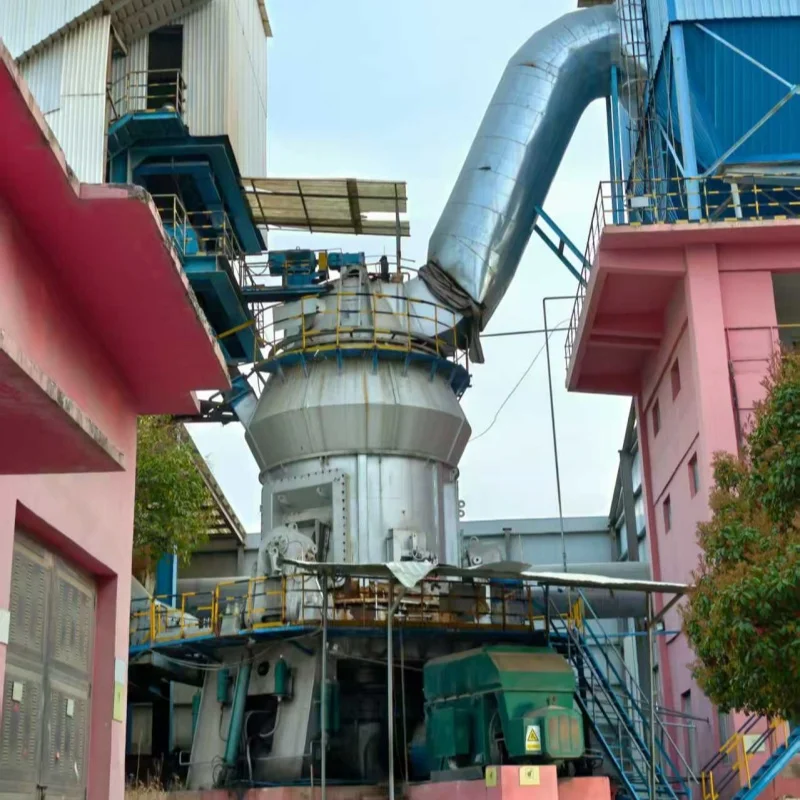
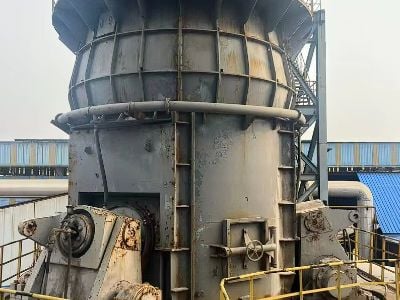
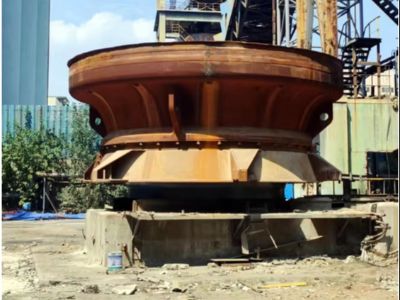
To build a solid cement mixing plant, you need several key parts. First, you need a raw material handling system. This is where you get materials like limestone and clay. These materials are crushed and mixed together. Next is the grinding mill. This machine grinds the materials into a fine powder. After that, the powder goes to a blending silo. Here, it is mixed evenly to make sure the quality is consistent. Another important part is the kiln. The kiln heats the blended materials to a very high temperature to make clinker. The clinker is then cooled and ground again to make the final cement product. Finally, the cement is stored in silos before being packaged for sale. Each component must work together smoothly. If one part does not work right, it can mess up the whole process. For example, if the grinding mill is too slow, the entire production line will slow down. This is why regular maintenance is important. At Insun, we make sure that every component is checked and working well. This helps keep the production line running smoothly and makes sure the cement is of high quality every time.
How to Ensure Quality Control in Your Cement Production Process?
Quality control is crucial in making cement. You want to make sure that the cement meets certain standards. At Insun, we have strict quality control steps in place. First, we test the raw materials before they enter the production line. This ensures that only the best materials are used. During production, we take samples of the cement at different stages. For example, we check the consistency of the powder after grinding and before it goes into the kiln. After the cement is made, we conduct tests to see if it meets strength and durability standards. We use machines to test how strong the cement is when it hardens. This is important because weak cement can lead to building failures. Besides testing, training workers is also key. They need to understand how to spot problems and fix them quickly. If workers know what to look for, they can catch issues before they become big problems. Good quality control means that customers can trust the cement they buy. They know that it will last a long time. At Insun, our commitment to quality means we are always looking for ways to improve our processes. This helps us deliver the best cement possible to our customers.
What Innovations Are Transforming Cement Production Lines Today?
Cement production is changing a lot because of new ideas and technologies. These changes make it easier to make cement and help the environment too. One big innovation is the use of automation. Automation means using machines and computers to do tasks that people used to do. With automation, the cement plant equipment process becomes faster and more accurate. For example, machines can mix the ingredients for cement more precisely, which leads to better quality cement.
Another exciting development is the use of eco-friendly materials. Companies like Insun are exploring ways to make cement using less energy and fewer natural resources. They are looking at alternatives like using waste materials or natural by-products from other industries. This not only helps to reduce waste but also lowers the carbon footprint of cement production. Lowering the carbon footprint is essential because it helps to protect our planet from climate change.
Furthermore, technology is making it possible to monitor the production process more closely. Sensors and smart software can track everything from the temperature of the mix to the speed of the conveyor belts. This data helps companies to spot problems early, so they can fix them before they become bigger issues. By keeping an eye on the production line, companies can ensure that everything runs smoothly and efficiently.
Finally, innovations in energy use are also important. Some companies are now using renewable energy sources, like solar or wind power, to run their plants. This means that cement production can be less harmful to the environment. All these innovations are making cement production more efficient and sustainable, which is good for everyone.
How to Choose the Right Technology for Your Cement Production Needs?
Choosing the right technology for making cement is very important for any company. First, think about what kind of cement you want to produce. Different types of cement require different processes and technologies. For example, if you want to make high-quality cement, you may need advanced mixing and heating equipment. Insun can help you figure out the best technology based on your specific needs.
Next, consider the size of your production line. If you're just starting or have a small factory, you might not need the most complex technology. Simple machines can do the job well without costing too much. But if you plan to make a lot of cement, investing in more advanced technology can save you time and money in the long run.
Another factor to think about is energy efficiency. Some technologies use more energy than others. Choosing machines that are energy-efficient can help lower your bills and reduce your environmental impact. Look for equipment that is designed to save energy while still getting the job done effectively.
Also, think about the support and service you will need. When you buy technology, you want to make sure there is good customer support available. If something goes wrong or if you have questions, it’s important to have help when you need it. Companies like Insun provide excellent support for their products, ensuring that your production line runs smoothly.
Lastly, don’t forget about costs. Make sure to compare different technologies and their prices. While it’s tempting to go for the cheapest option, think about the long-term benefits. Sometimes, spending a little more on high-quality technology can save you money in repairs and energy costs later on. By carefully considering all these factors, you can choose the right technology that meets your needs and helps your cement production line succeed.
Where to Find Reliable Wholesale Suppliers for Cement Production Materials?
Finding the right suppliers for your cement plant machinery materials is a key step in creating a successful production line. You want to work with suppliers who provide high-quality materials at fair prices. One great way to start your search is online. There are many websites where suppliers list their products and prices. Look for suppliers that have good reviews and a history of delivering on time.
Another option is to attend trade shows or industry events. These events are great places to meet suppliers face-to-face. You can ask them questions and see samples of their materials. At these events, you can also meet other people in the cement industry. Networking with others can help you find trusted suppliers.
You can also ask for recommendations from friends or colleagues in the industry. If someone you know has had a good experience with a supplier, it might be worth checking them out. Companies like Insun often have established relationships with reliable suppliers, so reaching out to them can be a helpful step.
When you find potential suppliers, make sure to ask about their quality control processes. You want to ensure that the materials they provide meet the standards required for your production. It’s also a good idea to inquire about their delivery times. You need materials to arrive on time so that your production line can keep running smoothly.
Lastly, don’t forget to compare prices. While you want quality materials, you also want to make sure you are getting a good deal. Get quotes from several suppliers and compare them. This can help you find the best prices without sacrificing quality. By taking the time to find reliable wholesale suppliers, you can ensure that your cement production line has everything it needs to succeed.

 EN
EN