Choosing the right grinding equipment is one of the most important decisions for any cement plant. Ball mills and vertical mills are two of the most widely used options, and each offers unique advantages depending on your production goals. The right choice can improve product quality, reduce operating costs, and increase production efficiency. At Insun, we understand that every cement manufacturing process has different requirements. Selecting the most suitable grinding system ensures consistent cement quality, lower energy consumption, and long-term operational reliability
What You Need to Know for Optimal Cement Grinding
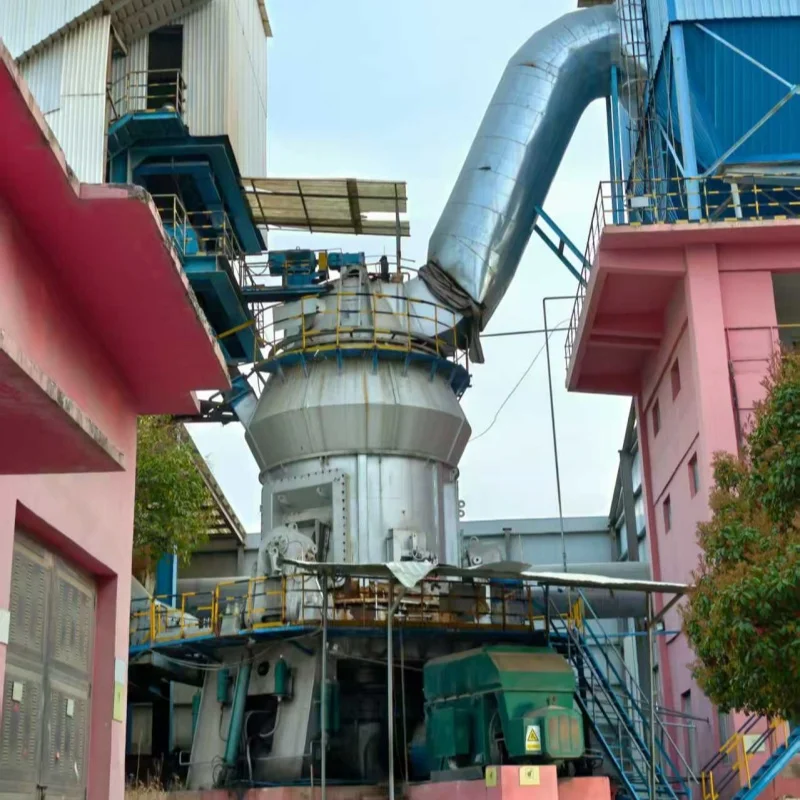
Producing high-quality cement requires more than simply grinding raw materials into a fine powder. The grinding process directly affects the strength, durability, and performance of the finished cement. Ball mills use rotating steel balls to crush and grind materials, making them highly effective at producing a consistent product. However, they typically consume more electricity and require longer grinding times. Vertical mills and cement plant kiln mill use a rotating grinding table and rollers to crush materials under pressure, resulting in lower energy consumption and higher grinding efficiency. They also produce a finer and more uniform particle size while occupying less floor space. Before choosing a grinding system, manufacturers should consider production capacity, product fineness, plant layout, energy efficiency, and maintenance requirements. At Insun, we provide advanced grinding solutions designed to help cement producers maximize productivity while reducing operating costs
How to Choose Between Ball Mill and Vertical Mill for Your Cement Plant
Selecting the right cement ball mill depends on the specific needs of your cement production line. If your goal is to achieve high production capacity with lower energy consumption, a vertical mill is often the preferred solution because it processes materials more efficiently. It is also ideal for producing finer cement products with greater consistency. Ball mills remain a reliable option for many traditional cement plants, especially when producing standard cement grades or when existing production systems are already designed around ball mill technology. Investment cost should also be considered. While vertical mills generally require a higher initial investment, they often provide significant long-term savings through reduced electricity usage and lower maintenance expenses. Plant space is another important factor, as vertical mills have a more compact design than ball mills. At Insun, our engineering team works closely with customers to evaluate production requirements and recommend the most suitable grinding solution for maximum efficiency
Ball Mill or Vertical Mill for Cement
Both ball mills and vertical mills play an important role in modern cement production. Ball mills have been used successfully for decades because they deliver stable performance, consistent grinding results, and simple operation. They are suitable for processing a wide range of materials and remain a dependable choice for many cement plants. Vertical mills, however, have become increasingly popular due to their superior energy efficiency, reduced operating costs, lower noise levels, and improved environmental performance. They also generate less dust and require less installation space than traditional ball mills. The better choice ultimately depends on production goals, budget, and plant requirements. At Insun, we offer both ball mill and vertical mill solutions, helping customers select equipment that delivers reliable performance and long-term value
Where to Source Quality Vertical Mills for Cement Grinding at Wholesale Prices
Finding a reliable supplier is just as important as selecting the right grinding equipment. A trusted manufacturer provides not only high-quality machinery but also technical support, spare parts, and after-sales service that keep production running smoothly. Insun supplies durable and energy-efficient vertical mills designed for demanding cement production environments. When comparing suppliers, buyers should evaluate equipment quality, production capacity, energy efficiency, maintenance requirements, warranty coverage, and customer support. Purchasing directly from an experienced manufacturer also offers opportunities for customized solutions and competitive wholesale pricing. Visiting trade shows, requesting product demonstrations, and reviewing customer feedback can further help buyers make informed purchasing decisions. Working with a dependable supplier ensures long-term operational success and greater return on investment
What Are the Latest Innovations in Ball Mill and Vertical Mill Technology
Recent technological advancements have significantly improved the performance of both coal mill in cement plant and vertical mills. Modern ball mills now incorporate high-performance grinding media, optimized liner designs, and advanced drive systems that reduce energy consumption while increasing grinding efficiency. Vertical mills continue to evolve with intelligent automation, real-time monitoring systems, and smart sensors that automatically adjust operating conditions for optimal performance. Improved dust collection systems, enhanced wear-resistant materials, and predictive maintenance technologies also extend equipment lifespan while lowering maintenance costs. These innovations help cement manufacturers achieve greater productivity, improved product consistency, and reduced environmental impact. At Insun, we continuously invest in advanced grinding technologies to provide customers with efficient, reliable, and future-ready cement grinding solutions that support sustainable production and long-term business growth.

 EN
EN