Cement Processing Plant Solutions for Construction

application/cement-processing-plant, application/cement-processing-plant, 
Inquiry
Inquiry

cement processing plant

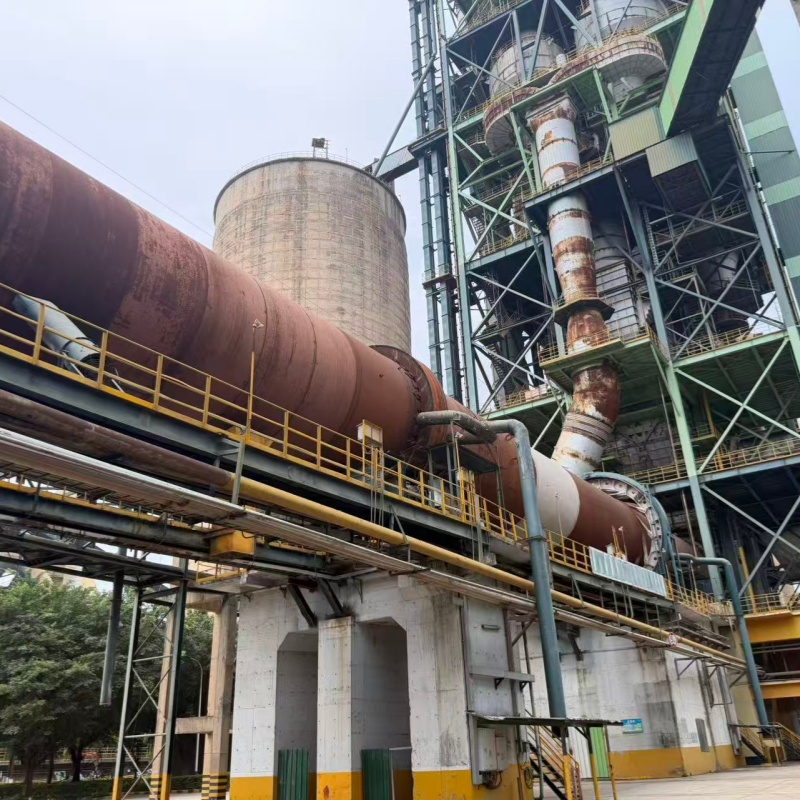
Cement processing plants are important places where raw  materials are turned into cement. Cement is a  key ingredient  used in building  homes, schools, roads, and many other  structures. Without cement,  many of the buildings we see every day would  not be standing. At Insun, we understand how crucial these plants are for  construction projects around the world. In these plants,  workers mix different ingredients  like limestone, clay, and gypsum to create a strong substance. This process is  not  just about mixing; it involves heating these  materials to very high temperatures in large kilns. The heat  causes chemical changes that turn the mixture into  a  hard,  solid form. This is  what we know  as cement, and  it is essential for making concrete, which is used in almost every construction project.

Why choose Insun cement processing plant

Our Products

What Makes Cement Processing Plants Essential for Modern Construction Projects?

What Makes Cement Processing Plants Essential for Modern Construction Projects? Cement processing plants are the  backbone of  the construction industry. They provide the material that  holds everything together. Think  about it: when builders  put up  a skyscraper, they need strong cement to make sure it doesn’t fall down. Without these plants, it would be hard to get enough  cement for all the buildings and roads being built.  It’s not just about  quantity, though. The  quality of the cement is also  very  important. Insun focuses on making high-quality cement that can withstand weather, pressure, and time. For example,  when constructing a  bridge, the cement must be strong enough to support heavy vehicles. If  the  cement is weak, it could  lead to serious problems. That's why these plants  are so important. They ensure that builders have the right materials to create safe and durable structures. Moreover, cement processing plants help in providing jobs. Many people work in these plants, from engineers to  factory workers. The work they do supports families and communities. It creates a cycle where the  plant produces cement, builders use it to create structures, and these structures provide homes and jobs for many others. If you are looking for reliable machinery, consider exploring our Used Cement Plant options to enhance your operations.

Frequently Asked Questions

What does your cement processing plant include?

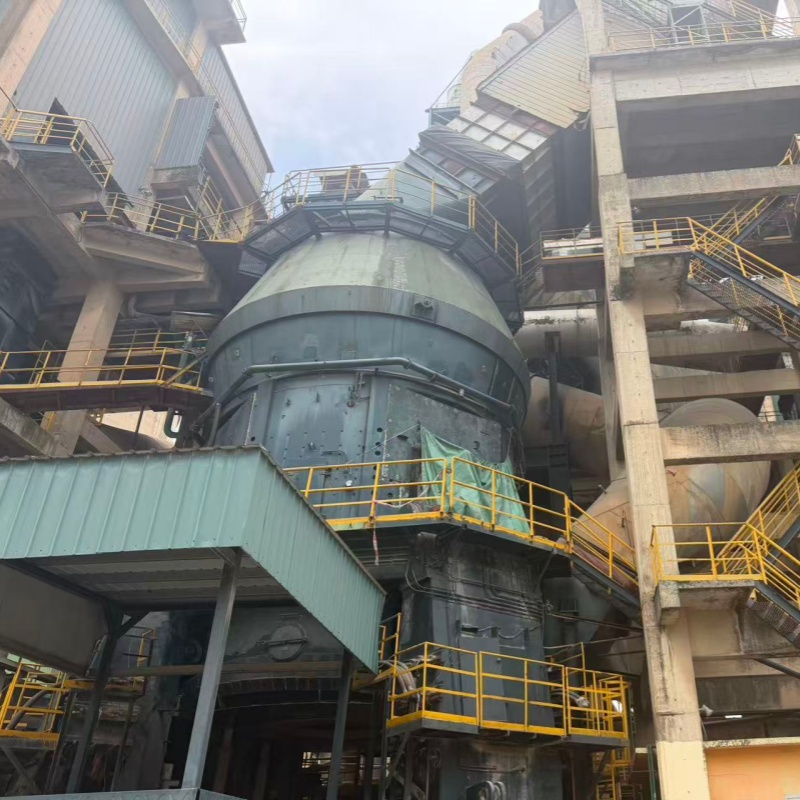
Our plants include vertical mills, rotary kilns, feeders, conveyors, burners, dust collectors, control systems, and supporting EPC services for turnkey installation and commissioning.
Yes. We offer full EPC services including design, equipment supply, construction, installation, and commissioning with technical support throughout the project.
Yes. We provide on-site installation, start-up supervision, operator training, maintenance guidance, and ongoing remote or field technical support globally.
Yes. We supply equipment and solutions for industrial plant recycling, retrofits, capacity upgrades, and modernization to improve efficiency and reduce emissions.
We provide global supply and support for cement production and power plant projects, managing logistics, installation, and after-sales technical services worldwide.

Our Blog Posts

What Our Partners Say

How Cement Processing Plants Ensure Consistent Product Quality for Wholesale Buyers

How Cement Processing Plants Ensure Consistent Product Quality for Wholesale Buyers

How Cement Processing Plants Ensure Consistent Product Quality for Wholesale Buyers: One  of the biggest concerns  for wholesale buyers is the quality of the cement they buy. They need to know that what they are getting is reliable and strong. At Insun, our cement processing plants have strict processes in place to ensure that every batch of cement is of the highest quality. First, we start with selecting the best raw materials.  This means only using the finest limestone, clay, and other ingredients. Once the materials arrive at the plant, they go through testing to make  sure they meet our standards. Then, during the mixing and heating process, we  have trained staff  monitoring everything  closely. They check the temperature and time  to make sure the cement is processed  correctly. After the cement  is made,  we conduct more tests to check its strength and durability.  This helps  us ensure that every  bag of cement we sell will  perform well in buildings and structures. We know that buyers rely on us, and we take that responsibility seriously. By maintaining strict quality control, we help wholesale buyers  feel confident in their  purchases. They  can trust that  they are getting  cement that will last and keep their projects safe for years to come. Additionally, we offer a range of machinery, including Used Vertical Mills that can improve the efficiency of your production processes.

What Are the Common Challenges in Cement Processing and How to Overcome Them?

What Are the Common Challenges in Cement Processing and How to Overcome Them?

Cement processing plants  play an  important role in making the cement used for building homes, roads, and bridges. However, running a cement processing plant comes with its own set of challenges. One common challenge is ensuring the quality of the raw materials used in cement production. If the raw materials are not of good quality, the  final product will  also be poor. To overcome this issue, it is important to establish strong relationships with suppliers and regularly test the materials before using them. Another challenge  is controlling  the production process itself. Cement  production involves heating materials to very high temperatures, which can be difficult to manage. If the  temperature is too high or too low, it can affect the quality of the cement. To tackle this problem, using modern  technology  and equipment is crucial. Companies like Insun provide advanced  monitoring systems that help keep  track of the  temperature and other important factors. Lastly, worker safety is a significant concern in cement processing plants. The machinery can be dangerous, and the  dust produced  can be harmful to health. To  improve safety, it is important to provide proper  training for workers and to use safety equipment. Regular maintenance of machines can also help prevent accidents. By addressing these  challenges with careful planning and the right tools, cement  processing  plants can run smoothly and produce high-quality cement.

Where to Source Cost-Effective Equipment for Your Cement Processing Plant?

Where to Source Cost-Effective Equipment for Your Cement Processing Plant?

Finding cost-effective  equipment is vital for running a successful cement processing plant. High-quality machines can be expensive, but there are  ways to save money without sacrificing quality.  One of  the best places to start is by looking for local suppliers.  Companies like Insun often provide good deals  on high-quality equipment.  It is also  a good  idea to attend trade shows or  industry fairs, where different suppliers showcase their products. This allows plant managers to compare prices and  features directly. Another option is to consider buying used equipment. Many factories upgrade their machines and sell the old ones  at a lower price. However, it is  essential to check the  condition of used machines to ensure they will work  well in the long run. Additionally, investing in durable equipment  that requires less maintenance can  save money over time. Finding the right equipment is not just about the initial cost; it's also about how  much it will cost to run and maintain the machines over the years. By being smart about where and how to buy equipment, cement processing plants can save money  and operate  more efficiently. If you're considering options for upgrading, don't forget to check our selection of Used Equipment for great deals.