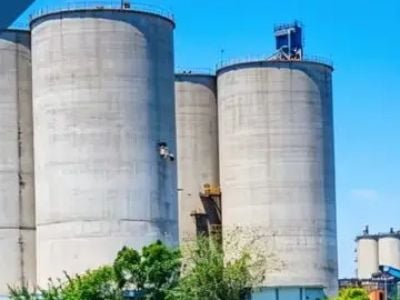
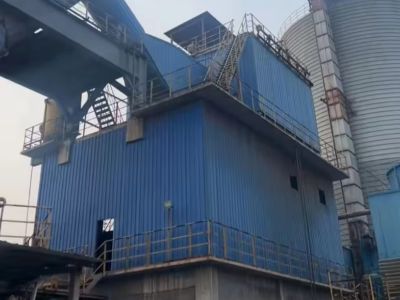
Operational optimization in a cement plant means making everything work better. It involves using smart ways to improve machines and processes so that they produce more cement efficiently and at a lower cost. At Insun, we know that cement plants are important for building roads, houses, and other structures. By optimizing operations, plants can reduce waste, save energy, and even make better quality cement. This not only helps the environment but also increases profits for the companies. The goal is to keep the machines running smoothly and to make sure that everything works together perfectly. When a cement plant runs well, it can produce more cement faster, which is great for everyone who needs it.
What Are the Key Benefits of Operational Optimization in Cement Plants?
When a cement plant focuses on operational optimization, it gets many benefits. First, there is less waste. For example, if machines are running efficiently, they use materials better. This means less raw material goes to waste. Second, energy costs go down. Cement plants need a lot of energy to run, but optimizing operations can help save money on electricity bills. If machines run smoothly and do not break down, it saves time and money on repairs. Third, the quality of the cement improves. With better processes, the cement produced is stronger and lasts longer. This makes customers happy because they get what they pay for. Fourth, workers are safer. When machines operate correctly, there are fewer accidents, and the workplace is safer for everyone. Finally, operational optimization can help plants be more flexible. Used Cement Plant can adjust to changes in demand quickly, producing more or less cement as needed. This keeps businesses strong and ready for whatever happens in the market. Companies that focus on these improvements, like Insun, are not just keeping up; they are leading the way in the cement industry.
Where to Find the Best Solutions for Cement Plant Operational Optimization?
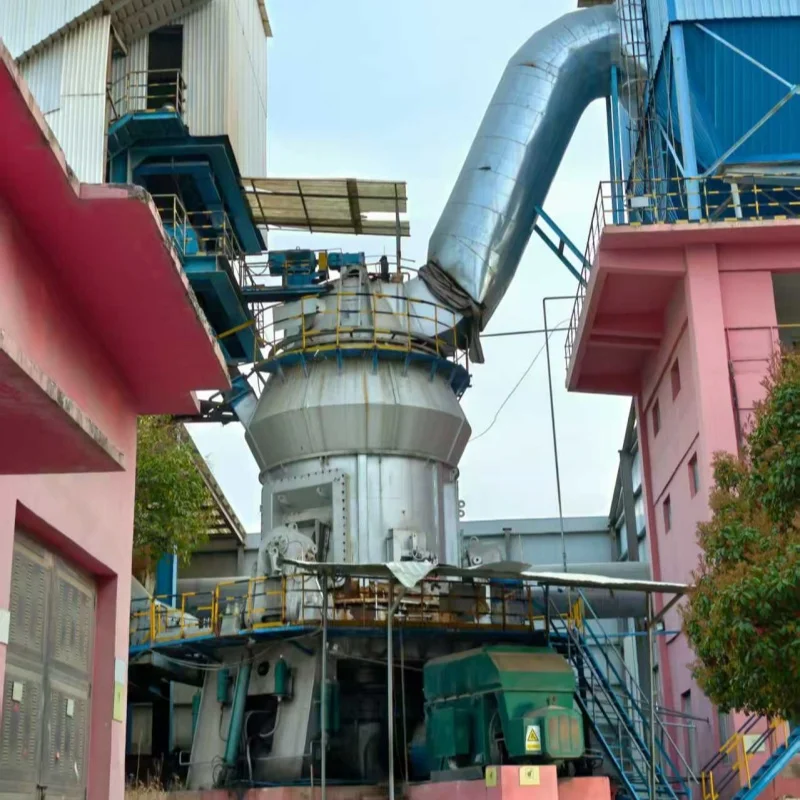
Finding the best solutions for optimizing a cement plant can seem tough, but there are many ways to get help. First, companies can look for expert advice from those who know a lot about cement manufacturing. Insun has a team of professionals who understand the industry well. They can provide tips on how to improve operations effectively. Second, companies can invest in better technology. Modern machines and software can help automate processes, making them quicker and easier. For example, some new systems can monitor machines in real time, alerting workers when something is not right. Used vertical mill helps prevent breakdowns before they happen. Third, training workers is crucial. Teaching staff how to use machines properly and how to spot issues can make a big difference. Workers who understand their roles are more likely to help optimize operations. Fourth, joining industry groups can be beneficial. These groups often share knowledge and best practices, helping companies stay updated on the latest trends. Lastly, working with suppliers like Insun can bring new ideas and support. Suppliers often have insights into the best tools and techniques and can help plants implement them effectively. By combining all these resources, cement plants can find the best solutions to optimize their operations successfully.
How Operational Optimization Enhances Product Quality in Cement Manufacturing?
Operational optimization is a way to make things work better in a cement plant, which helps in making higher-quality cement. When a plant uses optimization, it looks at how machines and processes work. The goal is to improve each step of making cement. For example, if the machines that mix the raw materials work perfectly, the cement produced will be stronger and more reliable. Insun, a leader in this field, focuses on optimizing each part of the cement-making process. This means using the right amount of raw materials, ensuring the machines run efficiently, and keeping a close eye on temperatures and timings. All these things help make sure that the cement has the right strength and durability.
When Insun optimizes operations, it also helps reduce waste. This means less material is thrown away, and more goes into making the final product. A plant that uses its resources wisely can produce cement that is not only better but also more affordable. Customers want high-quality cement that lasts a long time, and by optimizing operations, Insun can provide that. Moreover, when the equipment runs smoothly, Used ball mill reduces the risk of accidents. Safer operations mean everyone can work with peace of mind, allowing workers to focus on making the best cement possible. In the end, optimization leads to cement that meets or exceeds customer expectations, making it a win-win for everyone involved.
What Are the Latest Trends in Cement Plant Operational Optimization?
In recent years, cement plants have started to use new technology to improve how they operate. One big trend is using smart technology, like sensors and data systems. These tools help monitor machines and processes in real time. For example, at Insun, sensors can track how well a machine is working and alert workers if something is wrong. By catching problems early, the plant can avoid delays and ensure that everything runs smoothly. This technology helps save time and money while also improving the quality of the cement produced.
Another trend is the use of sustainable practices. Many cement plants are now looking for ways to be more environmentally friendly. This means using less energy and reducing waste. Insun is committed to sustainability, aiming to lower its carbon footprint. One way they do this is by using alternative fuels and materials that are better for the planet. By optimizing the use of these resources, they can produce cement that is not only high-quality but also eco-friendly. Furthermore, automation is becoming popular in cement plants. Machines can now do tasks that used to require a lot of manual work. This makes operations faster and reduces the chances of human error. The latest trends in operational optimization are all about using technology to make processes better, safer, and more sustainable.
What Strategies Drive Successful Operational Optimization in Cement Manufacturing?
Successful operational optimization in cement manufacturing involves several key strategies. One important strategy is training workers. At Insun, we believe that well-trained employees can make a big difference. When workers understand how machines work and what to look for, they can quickly spot problems and fix them before they become serious. Regular training sessions keep everyone updated on the latest techniques and technologies. This investment in people leads to better teamwork and improves the overall quality of the cement produced.
Another strategy is continuously analyzing data. Insun uses advanced data analysis tools to track production processes. By looking at this data, the plant can find areas that need improvement. For instance, if the data shows that a particular machine is frequently slowing down, the team can investigate and make necessary adjustments. This not only helps in optimizing operations but also ensures that the quality of cement remains high. Additionally, collaboration with suppliers is crucial. Building strong relationships with raw material suppliers ensures that Insun always has access to the best quality materials. This, in turn, helps in producing top-notch cement.
Lastly, having a clear plan is essential. Insun sets clear goals for operational optimization and works towards them step by step. This plan includes regular maintenance of machines, investment in new technologies, and creating a culture of safety and quality. When everyone in the plant is on the same page, it leads to better results. successful operational optimization in cement manufacturing is about people, data, collaboration, and planning. By focusing on these strategies, Insun can continue to improve and deliver high-quality cement to its customers.

 EN
EN