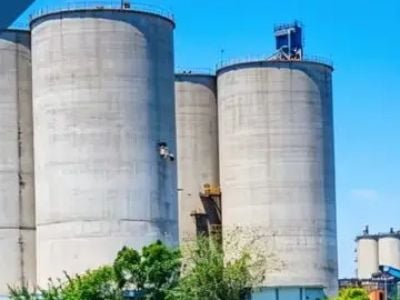
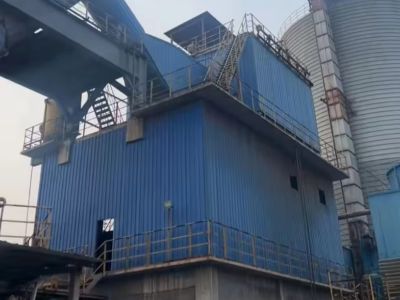
Planning how to design a cement production system is essential for efficiency, safety, and long-term stability. A well-structured equipment layout ensures that every stage of the production line runs smoothly. In modern industrial setups like those developed by Insun, cement production relies heavily on smart spatial planning to reduce delays and improve workflow. A strong equipment layout helps connect every part of the production line, from raw material intake to final processing. When cement production facilities are arranged correctly, materials move faster, workers operate more safely, and machines perform better. The goal of every production line design is to create a seamless flow that supports continuous cement production without interruptions
What Are the Key Factors in Equipment Layout for Cement Production
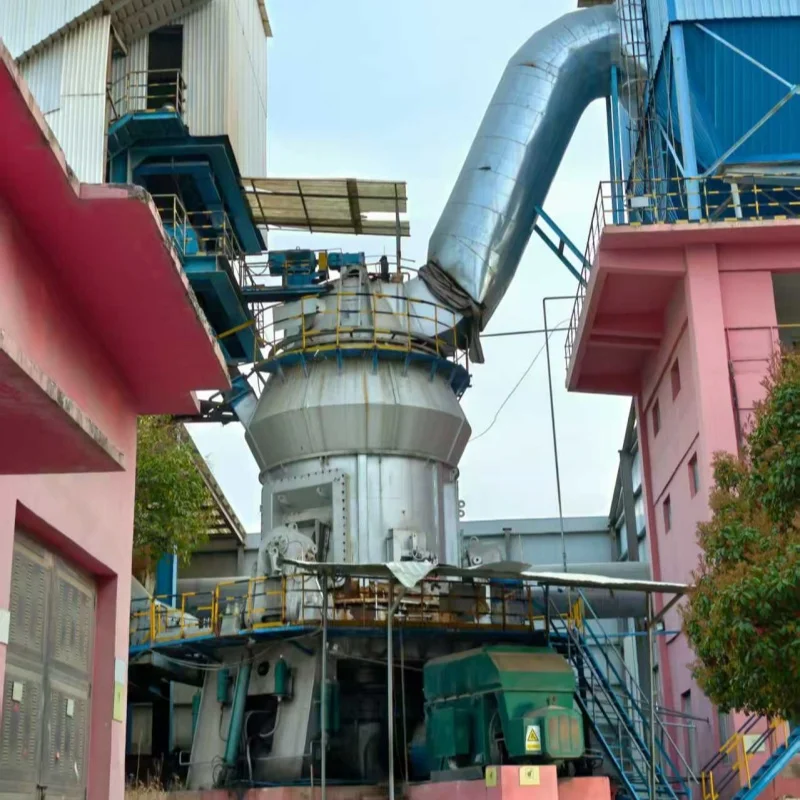
In cement production, planning the Used Cement Plant equipment layout is one of the most important steps in building an efficient production line. Every cement production plant must consider how materials flow through each stage of the production line. A good equipment layout ensures that cement production materials move in a logical sequence. If the production line is poorly arranged, cement production slows down, and energy is wasted. Proper spacing in the equipment layout also improves safety in cement production environments. Safety is critical in cement production, especially when designing a production line with heavy machines. A well-planned equipment layout allows workers to move safely across the cement production facility. This reduces accidents and improves production line efficiency. Maintenance is another key factor in cement production. Machines in the production line must be easy to access. A flexible equipment layout ensures that cement production continues even during maintenance activities. This reduces downtime across the production line. Future expansion is also important in cement production planning. A scalable equipment layout allows the production line to grow without redesigning the entire cement production system
What Equipment Layout Strategies Maximize Production Line Performance
There are several strategies used in cement and Used generator production to improve equipment layout and optimize the production line. One effective method is the U-shaped production line, which improves communication and efficiency in cement production plants. Functional grouping is another equipment layout strategy in cement production. Machines in the production line, such as crushers and mixers, are grouped to streamline cement production flow. This makes the production line more organized and efficient. Spacing is also important in cement production. Proper equipment layout ensures that the production line has enough ventilation and movement space. This improves monitoring in cement production environments and keeps the production line running smoothly. Modern cement production facilities also use digital tools to design the equipment layout. Simulation helps optimize the production line before construction begins. This reduces errors in cement production planning and improves production line performance
How to Address Common Issues in Production Line Layout Planning
In cement production, one common issue is poor equipment layout, which disrupts the production line. When the Used Equipment production line is too crowded, cement production becomes inefficient and unsafe. Another issue in cement production is poor material flow. A bad equipment layout forces materials to travel longer distances across the production line, slowing down cement production. A well-structured production line solves this problem. Maintenance problems also occur in cement production when the equipment layout is not well planned. A flexible production line ensures that cement production continues even during repairs. Training is also important in cement production. Workers must understand the production line and equipment layout to ensure smooth cement production operations
Latest Trends in Cement Production Equipment Layout
Modern cement production is evolving with new equipment layout technologies. Digital twin systems allow companies to simulate the production line before building it. This improves cement production accuracy and reduces design risks in the production line. Sustainability is also a growing trend in cement production. A modern equipment layout is designed to reduce energy use in the production line while improving cement production efficiency. Automation is another key trend in cement production. Automated systems improve production line accuracy and reduce manual work. A smart equipment layout supports efficient cement production processes across the production line. Flexibility is now essential in cement production. A modern production line must adapt quickly. A modular equipment layout allows cement production facilities to expand or change the production line easily
How to Ensure Safety and Compliance in Production Line Design
Safety in cement production starts with a proper equipment layout. Hazard zones in the production line must be clearly marked to protect workers in cement production environments. Regular inspections help maintain a safe production line in cement production facilities. A well-planned equipment layout ensures inspectors can move easily through the cement production site. Training is also essential in cement production. Workers must understand both the production line and equipment layout to operate safely and efficiently in cement production systems. Compliance is the final step in cement production design. Companies like Insun ensure that every production line follows safety regulations. A compliant equipment layout guarantees long-term cement production reliability.

 EN
EN