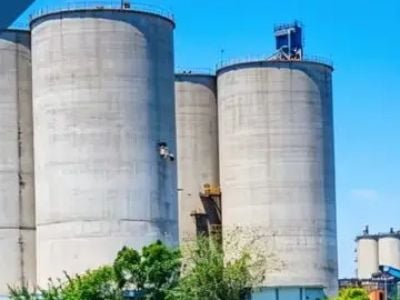
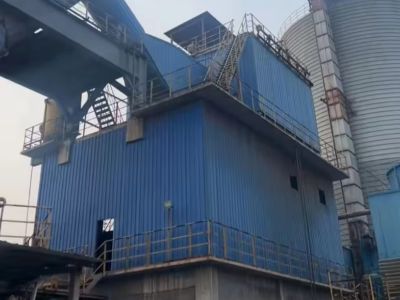
Setting up a medium-sized cement plant can be a big task, but it can be done in a smart way to save money and time. At Insun, we know how important it is to choose the right equipment and systems to make everything run smoothly. Cement plants need many parts to work well. These parts must be good quality but not too expensive. It's all about finding the balance between cost and quality. This article will help you understand what you need for a cost-efficient cement mixing bin and how to choose the best equipment.
What Are the Key Components of a Cost-Efficient Medium-Sized Cement Plant?
When starting a medium-sized cement plant, you need to think about the main parts that make it work. First, there’s the crushing unit. This is where big rocks are broken down into smaller pieces. It's important to pick a crusher that can handle the amount of rock you expect to process. If it’s too weak, you'll waste time and money. Next, you will need a clinker production system. This includes kilns that heat the small pieces of raw material to create clinker, which is the main ingredient in cement. Insun offers kilns that save energy and work efficiently.
After that, you need a grinding unit. This is where the clinker gets ground into fine powder. The grinding mill should be strong but not too expensive. You want it to last a long time and work well. Another key part is the packing unit, which fills bags with cement for sale. It should be fast and accurate to keep up with demand. Don't forget about the storage facilities for raw materials and finished products. Good storage keeps everything organized and safe.
Also, consider the control systems and automation technologies. Automation can help reduce the labor costs and improve efficiency. Insun has smart solutions that make it easier to monitor and control the whole process. Finally, think about maintenance. Choose equipment that is easy to maintain and replace parts when needed. This will save money in the long run. Investing in these key components means your cement plant can run smoothly and efficiently without wasting money.
How to Choose the Best Equipment for Your Medium-Sized Cement Plant?
Choosing the right equipment for your medium-sized cement plant is very important. It can make a big difference in how well your plant performs. Start by thinking about your needs. How much cement do you want to produce? This will help you decide on the size and type of equipment you need. For example, if you want to produce a lot of cement quickly, you will need larger crushers and mills. Insun can help you find the right size for your goals.
Next, look for equipment that is known for its energy efficiency. Energy costs can add up, so it's smart to choose machines that use less power. This means you can save money every month. Check customer reviews and ask other cement plant owners about their experiences with different equipment. This can give you valuable insights into what works well and what doesn’t.
Also, think about the brand reputation. Insun has a strong track record of providing reliable equipment. When you buy from a trusted brand, you can feel more confident that you are making a good choice. Don’t forget to consider after-sales service. Good support from the manufacturer can help you fix problems quickly if they arise. Lastly, always keep your budget in mind. Look for equipment that offers the best value for your money. Sometimes, spending a little more upfront can save you a lot in repairs and maintenance later on. By carefully choosing your equipment, you can make sure your cement plant runs efficiently and stays cost-effective.
Where to Find Wholesale Suppliers for Cement Plant Machinery?
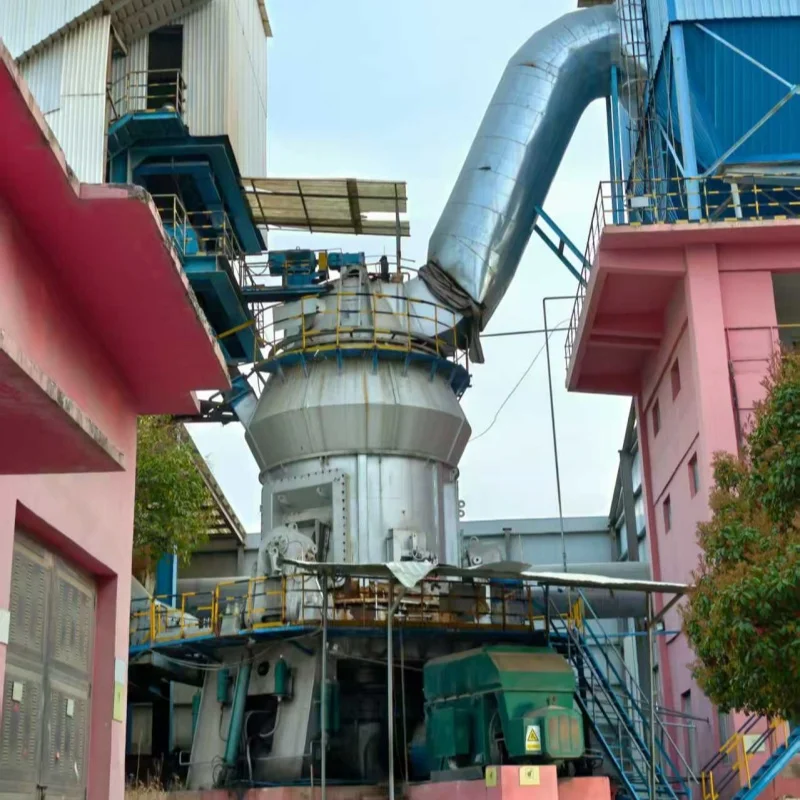
Setting up a cement plant can be exciting, but finding the right machines at a good price is important. One of the best ways to save money is to look for wholesale suppliers. Wholesale suppliers sell products in large amounts, which often makes them cheaper than regular stores. To find these suppliers, you can start by searching online. Websites that focus on industrial equipment often list many suppliers that sell cement plant machinery. Look for reviews and ratings to see if they are trusted. Another place to check is trade shows. These events are great because you can see the machines in person and talk directly to the sellers. This can help you understand what you are buying and negotiate better prices. You can also join online forums or groups that focus on the cement industry. Here, you can ask other people for recommendations. They might know suppliers who offer good deals. Don’t forget about local suppliers. They can offer competitive prices too, and buying locally can save you shipping costs. Once you find a few suppliers, compare the vertical roller mill in cement plant prices and what they offer. It's a good idea to ask for quotes and see if they can give you discounts for buying in bulk. Remember, quality is important. Always check that the machinery meets industry standards and is reliable. Insun can help you in this process by providing you with the right contacts and guidance to find the best wholesale suppliers for your cement plant machinery.
How to Optimize Energy Efficiency in Your Cement Production Process?
Energy efficiency is a big deal in a cement plant. Making cement uses a lot of energy, and saving energy can help you save money. One way to improve energy efficiency is to use modern technology. New machines are often designed to use less energy. For example, you can invest in energy-efficient kilns and mills that require less fuel. Another important step is to manage your energy use wisely. You can monitor how much energy each part of the process uses. This way, you can see where you are wasting energy and find ways to fix it. Insun can help you set up energy monitoring systems to track usage.
You should also think about using alternative fuels. Biomass or waste materials can often replace traditional fuels, which can be cheaper and better for the environment. Additionally, improving the insulation of your plant can help keep heat in, so you don’t waste energy. Training your staff on energy-saving practices is also important. When everyone understands how to use energy wisely, it can make a big difference. Lastly, consider using renewable energy sources, like solar or wind power. Even small installations can help reduce your energy bills over time. By focusing on these strategies, you can make your cement production process more energy efficient, save money, and help the planet.
Where to Source Affordable Raw Materials for Your Cement Plant?
Finding the right raw materials for your cement plant is just as important as getting the right machinery. Affordable raw materials mean you can keep your costs low. The first step is to research local sources. Look for quarries or suppliers that sell limestone, clay, and other materials needed for cement. Buying locally can often save you shipping costs and make it easier to get the materials you need quickly. You can also look into bulk buying. If you buy large quantities, many suppliers will give you discounts.
Joining industry groups can help too. These groups often share information about where to find good materials at low prices. Networking with other cement producers can lead to great tips on where to source your raw materials. Insun can assist in connecting you with these networks. Another option is to use recycled materials. Some companies offer recycled concrete and other materials that can be used in cement production. This not only saves money but is also better for the environment.
It’s also wise to compare prices from different suppliers. Don’t just go with the first option you find; check around to see who offers the best deals. Finally, make sure the materials you choose meet quality standards. Using low-quality materials can lead to problems later, which could cost more in the long run. By carefully sourcing affordable raw materials, you can set up a successful and cost-efficient cement mixing plant with Insun’s support.

 EN
EN