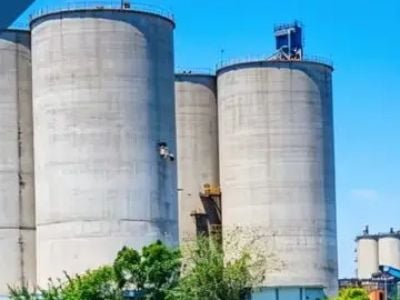
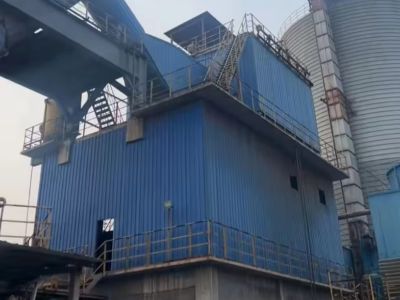
Building a cement production line can be a great way to produce high-quality cement while keeping costs under control. Insun specializes in creating production lines that are efficient and cost-effective. With proper planning, you can choose the right materials, equipment, and workforce to ensure smooth operations. This helps you build a production line that meets your production goals while staying within budget. Since cement is widely used in buildings, roads, and bridges, having a reliable production process is essential
How to Optimize Your Cement Production Line for Maximum Efficiency
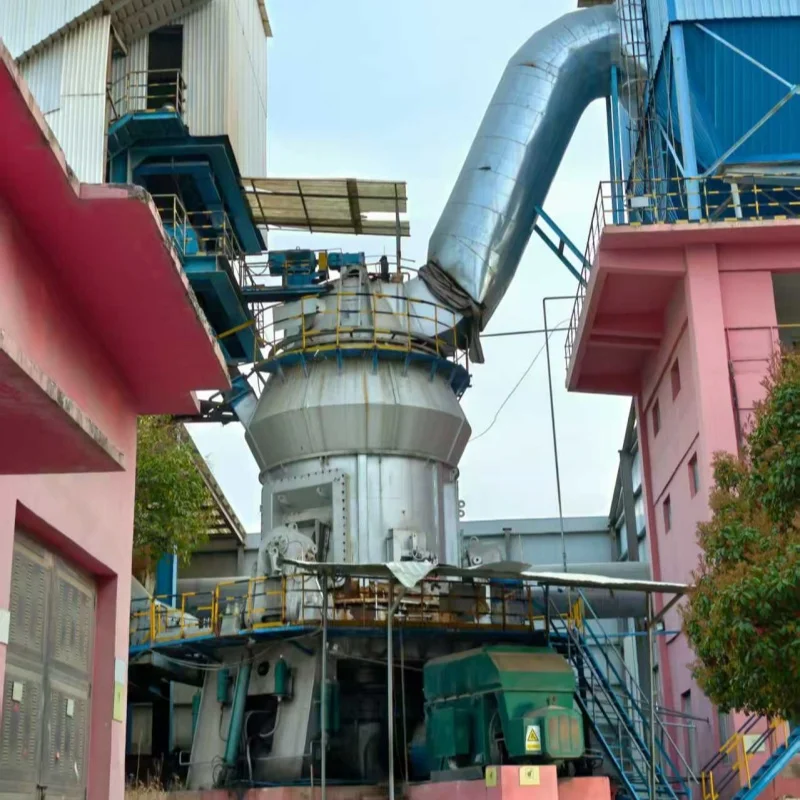
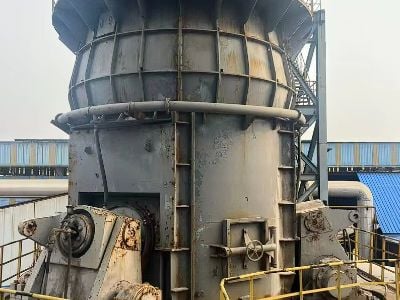
To get the best performance from your cement production line and Used vertical mill, you need to focus on several key factors. First, choose efficient machinery that can reduce energy consumption and operating costs. For example, high-efficiency kilns can help lower fuel expenses. Insun provides durable and energy-saving equipment designed to improve productivity. A well-planned factory layout is also important because it reduces the time and effort needed to move materials between machines. Worker training is another critical factor, as skilled operators can identify and solve problems before they become serious. Regular maintenance keeps machines running smoothly and extends their lifespan. In addition, modern monitoring software can help track production levels and identify areas for improvement. Recycling waste materials within the production process can also reduce costs and support environmental sustainability. Insun helps clients implement these strategies to maximize efficiency and production performance
What Factors Affect the Cost of Cement Production Lines
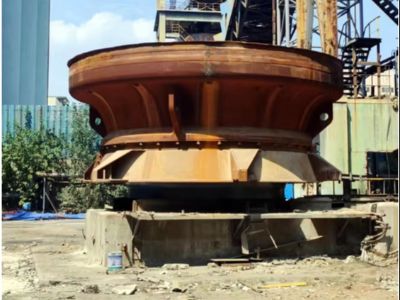
The cost of a cement production line, Used Roller Press, and Used Equipment depends on several factors. One of the largest expenses is the machinery itself. While high-quality equipment may require a larger initial investment, it often saves money over time through lower energy consumption and longer service life. The cost of raw materials such as limestone, clay, and gypsum can also vary depending on market conditions and supplier availability. Transportation expenses are another important consideration, especially if raw materials must be sourced from distant locations. Labor costs differ by region and can significantly impact overall expenses. Regulatory requirements may also increase costs, as compliance often requires additional equipment or processes. Finally, the size and capacity of the production line influence both setup costs and long-term operating efficiency. Although larger production lines require greater investment, they can reduce production costs per unit. Insun understands these factors and helps customers develop cost-effective and efficient cement production solutions
How to Implement Sustainable Practices in Cement Production
Sustainable practices are becoming increasingly important in cement manufacturing. One effective approach is reducing energy consumption by using efficient equipment and renewable energy sources such as solar or wind power. Insun supports the use of advanced technologies that improve energy efficiency and reduce environmental impact. Another strategy is incorporating recycled materials into production. Industrial by-products such as fly ash from power plants and slag from steel manufacturing can replace some traditional raw materials, reducing waste and conserving natural resources. Water conservation is equally important, and closed-loop systems can recycle process water instead of wasting it. Planting trees around production facilities can also help absorb carbon dioxide emissions and improve the local environment. By adopting these sustainable practices, cement manufacturers can lower costs, reduce environmental impact, and contribute to a greener future
Where to Source Quality Raw Materials for Cement Manufacturing
Producing high-quality cement starts with sourcing quality raw materials such as limestone, clay, and gypsum. Insun prioritizes working with nearby suppliers whenever possible to reduce transportation costs and minimize environmental impact. It is important to evaluate the quality of raw materials carefully because higher-quality inputs result in stronger and more reliable cement products. Partnering with suppliers that follow environmental regulations is also beneficial, as it supports responsible sourcing practices. In addition to traditional materials, alternative resources such as fly ash and silica fume can provide cost-effective and sustainable options. Building strong, long-term relationships with reliable suppliers helps ensure a steady supply of materials and supports consistent production. Through careful sourcing strategies, Insun helps manufacturers maintain quality while controlling costs
What Are the Common Challenges in Cement Production and How to Overcome Them
Cement production can present several challenges, including fluctuating raw material and energy costs, equipment breakdowns, weather disruptions, and quality control issues. Insun addresses these challenges through careful planning and efficient management practices. Monitoring market trends and purchasing materials strategically can help reduce the impact of price fluctuations. Regular equipment inspections and maintenance programs minimize downtime and prevent costly repairs. Weather-related disruptions can be managed by maintaining sufficient inventory levels and preparing contingency plans. Quality control is equally important, as poor-quality cement can create serious problems in construction projects. Insun uses strict testing and inspection procedures to ensure every batch meets required standards. By proactively addressing these challenges, manufacturers can improve productivity, maintain product quality, and operate a successful and cost-effective cement production line.

 EN
EN