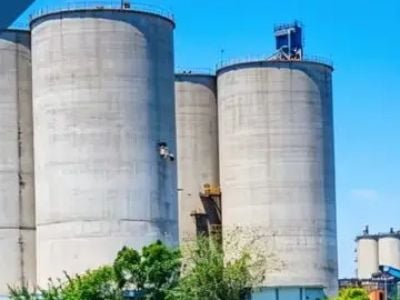
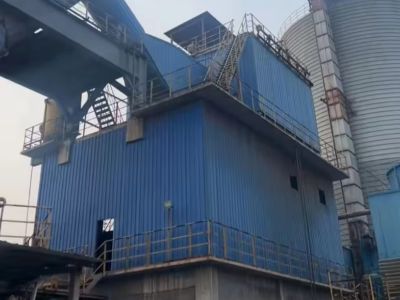
A cement factory is a place where raw materials are transformed into cement, which is essential for construction projects. In simple terms, cement is a powder that becomes strong and hard when mixed with water. It is used to build structures such as buildings, roads, and bridges. The layout of a cement factory is vital because it helps workers and machines operate efficiently together. At Insun, we understand how important it is to have a well-designed layout and the right equipment to produce high-quality cement. This article explores the key components of a cement mixing plant layout and the challenges that may arise during the manufacturing process.
What Are the Key Components of a Standard Cement Factory Layout? Factory
A standard cement factory layout consists of several key components that work together efficiently. First is the raw material storage area, where materials such as limestone and clay are kept. This area is important because it is where the cement production process begins.
Next is the crushing area, where large machines break down the raw materials into smaller pieces for easier handling. After crushing, the materials move to the blending area, where they are mixed to create a uniform composition. This mixture is then sent to the kiln, a massive furnace that heats the materials to temperatures of approximately 1,450°C. This process, known as calcination, transforms the mixture into clinker, a crucial ingredient in cement production.
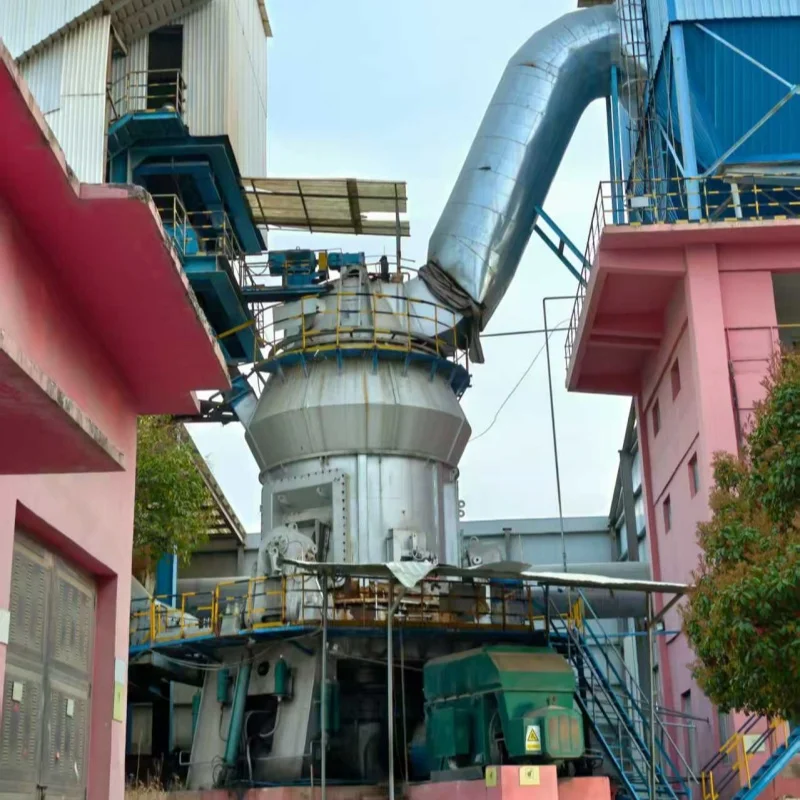
Once the clinker is produced, it is transferred to the grinding mill, where it is ground into a fine powder. The finished cement is then sent to the packing section, where it is either packed into bags or stored in silos for distribution.
Each area should be arranged to allow a smooth flow of materials and minimize production delays. For example, placing the raw material storage area close to the crushing section can improve efficiency. At Insun, we understand that a well-planned layout helps workers perform their tasks more safely and effectively.
What Are the Common Challenges in Cement Factory Layout and Equipment?
Even with a good layout, cement factories can face several challenges. One major issue is space management. Factories must accommodate a large amount of equipment and materials within a limited area, which can make movement difficult and create operational bottlenecks.
Another challenge is maintaining equipment performance. Machinery such as kilns and grinding mills can experience breakdowns, leading to production delays. While regular maintenance is essential, scheduling it without disrupting operations can be difficult.
Handling raw materials can also present challenges. Dust and material spills may create unsafe working conditions and reduce efficiency. As a result, factories need effective dust-control systems and cleaning procedures to maintain a safe environment.
Worker safety is another critical concern. Employees must be properly trained to operate machinery and handle materials safely. Insun places great emphasis on safety training and the use of reliable equipment to ensure that every worker can perform their duties safely. By addressing these challenges, a cement ball mill can operate more efficiently and consistently produce high-quality cement.
What Are the Latest Innovations in Cement Manufacturing Equipment?
Cement manufacturing has advanced significantly in recent years, with new technologies making production more efficient and sustainable. One of the most important innovations is automation. Modern automated systems use computers to control manufacturing equipment, reducing human error and increasing productivity.
For example, Insun utilizes advanced sensors that monitor the quality of raw materials and production processes. If an issue is detected, the system can immediately alert operators, allowing problems to be resolved before they affect production.
Another significant innovation is the adoption of environmentally friendly technologies. Many cement factories now use equipment designed to reduce emissions and conserve resources. This includes air filtration systems that minimize pollution and water recycling systems that reduce waste. Insun is committed to sustainable manufacturing practices and incorporates eco-friendly solutions whenever possible.
Energy-efficient kilns are also becoming more common. These kilns achieve the high temperatures required for cement production while consuming less fuel, helping factories reduce costs and lower their carbon footprint.
Additionally, 3D printing technology is beginning to influence the cement industry. This technology enables the creation of custom molds and unique structural designs, expanding the possibilities for innovative construction projects. Insun continues to explore these advancements to support more efficient and creative building solutions.
How to Design a Cement Factory Layout for Optimal Workflow?
Designing an efficient cement factory layout is essential for maximizing productivity and safety. The first step is carefully planning the placement of equipment. At Insun, we prioritize creating a logical flow of materials throughout the factory.
Raw materials such as limestone and clay should be located near the processing equipment to reduce transportation time. Arranging machines in a streamlined sequence helps minimize handling and improve efficiency. It also reduces the risk of accidents by providing workers with clear pathways.
Adequate space for movement is equally important. Insun designs facilities with wide aisles and designated loading and unloading zones to keep operations organized and safe. Safety features such as emergency exits, fire extinguishers, and clearly marked walkways are also integrated into the layout.
Storage planning is another key consideration. Cement and raw materials must be stored properly to maintain quality and prevent waste. Sufficient storage capacity ensures smooth inventory management and uninterrupted production.
Finally, future expansion should be considered during the design phase. A layout that allows room for additional equipment or increased production capacity can save time and costs if the factory needs to grow. A well-designed layout is a fundamental part of a successful cement manufacturing operation.
What Are the Benefits of Investing in Advanced Cement Factory Technology?
Investing in advanced cement manufacturing technology offers numerous advantages. First, it increases production efficiency. Modern equipment can operate at higher speeds and with greater precision, allowing factories like Insun to produce more cement while maintaining excellent quality standards.
Advanced technology also helps reduce operating costs. Many modern machines consume less energy and use raw materials more efficiently. These savings allow Insun to offer competitive pricing while maintaining product quality.
Improved safety is another major benefit. New equipment often includes enhanced safety features that help protect workers from accidents. Insun is committed to providing a safe working environment, and investing in advanced technology plays a significant role in achieving that goal.
Furthermore, modern monitoring systems can detect equipment issues before they lead to breakdowns. Preventive maintenance reduces downtime, lowers repair costs, and keeps production running smoothly.
Finally, advanced technologies support environmentally responsible manufacturing. Many new systems are designed to reduce emissions, conserve resources, and minimize waste. Insun is proud to invest in solutions that not only improve productivity but also help protect the environment for future generations.
Overall, investing in advanced vertical roller mill cement plant technology is a smart decision that benefits employees, customers, and the planet while supporting long-term business growth.

 EN
EN