What Essential Equipment Is Needed for Modern Cement Plants?
To run a modern cement plant, you need different types of equipment. First, there are crushers. Crushers break big rocks into smaller pieces. This is important because the raw materials must be the right size to mix properly. Next, there are mixers. Mixers combine the crushed raw materials, like limestone and clay, to create a homogeneous mixture. This mixture is then fed into a kiln. The kiln is a large oven that heats everything up to very high temperatures. Inside the kiln, the materials change into clinker, which is the main ingredient in cement. After that, the clinker needs to be cooled down.
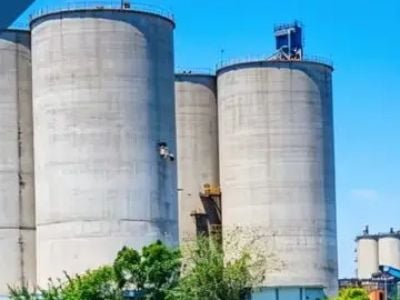
This is where coolers come in, helping to lower the temperature quickly. Once cooled, the clinker is ground into a fine powder. This is done using grinding mills. Finally, the cement is packed into bags or loaded into silos for shipping. Each piece of equipment plays a crucial role in the cement-making process. It is also important to have reliable control systems. These systems help monitor and manage operations, ensuring everything runs smoothly. Insun provides many of these essential machines, designed for efficiency and ease of use.
Where to Find Wholesale Suppliers for Cement Plant Equipment?
Finding the right suppliers for cement plant equipment is important for any business. There are many ways to find good suppliers. One way is to search online. Many websites list suppliers and manufacturers of cement plant equipment. You can compare prices, read reviews, and check what other customers say about their experiences. Another option is to attend trade shows or industry events. These events are great for meeting suppliers face-to-face and seeing their products. You can also ask other cement plant owners for recommendations. They might have good experiences with certain suppliers and can point you in the right direction. Local suppliers can also be a good option. They might offer faster shipping and better support.
Insun is dedicated to helping businesses find the right equipment. By reaching out to us, you can get expert guidance on the best machines for your cement mixing plant. We understand the needs of the industry and can help you find solutions that fit your requirements. Whether you're starting a new plant or upgrading an existing one, having the right equipment from reliable suppliers is key to success.
What Are the Common Usage Issues in Cement Plant Equipment?
In a cement plant, many machines work together to make cement. However, sometimes these machines do not work as well as they should. This can lead to problems that affect the whole production process. One common issue is wear and tear. Just like a bicycle tire gets worn out after many rides, machines in a cement plant can wear down after long use. When parts get worn out, they may not work properly, which can slow down or even stop production.
Another problem is dust. Cement plants produce a lot of dust, which can get into machines and cause them to fail. Dust can clog filters and other parts, making it hard for machines to work. This is why it is important to keep the machines clean. If they are not cleaned regularly, they can break down more often.
Also, sometimes workers do not use the machines correctly. This can happen if they do not get enough training. If a worker does not know how to operate a machine, they might push buttons in the wrong order or forget to check important parts. This can lead to accidents or damage to the machines.
Lastly, power issues can also affect the equipment. If the power supply is unstable, machines may not get the energy they need to run properly. This can cause cement manufacturing equipment to stop working suddenly, which can be dangerous and costly for the plant. At Insun, we understand these common usage issues, and we work hard to help our clients avoid them. Proper maintenance and training are key to keeping machines running smoothly.
What Equipment Is Crucial for High-Quality Cement Production?
To make high-quality cement, several pieces of equipment are very important. One of the most crucial machines is the crusher. The crusher breaks down large rocks into smaller pieces. This is the first step in making cement. If the rocks are not crushed properly, the final product will not be as good. After crushing, the materials need to be mixed. This is where the mixer comes in. Mixers combine different materials, like limestone and clay, to create a uniform mixture. A good mixer ensures that all parts of the mixture are blended well. If the mixture is not right, the cement will not be strong.
Another important piece of equipment is the kiln. The kiln is a large oven that heats the mixture to very high temperatures. This process is called calcination and is critical for producing cement. The kiln must be carefully monitored to make sure it reaches the right temperature. If it gets too hot or not hot enough, the cement quality will suffer.
Finally, the mill is essential for grinding the clinker into fine powder. After the clinker comes out of the kiln, it needs to be ground down to become cement. The mill must be efficient and powerful to cement factory machine the correct texture. At Insun, we provide high-quality equipment that helps ensure every step of the cement-making process is done correctly. By using the right machines, cement plants can produce strong, durable cement that meets industry standards.
How to Address Common Problems with Cement Plant Equipment Usage?
To solve common problems with cement plant equipment, the first step is to have a regular maintenance schedule. Just like you take your car for an oil change, machines need regular check-ups. This helps find any wear and tear before it becomes a big issue. Scheduled maintenance can save time and money in the long run. It also helps keep the machines running at their best, which is crucial for making high-quality cement.
Training workers is another vital part of addressing equipment problems. If workers know how to use the machines correctly, they can avoid many common mistakes. Training should include how to operate the machines safely and what to do if something goes wrong. At Insun, we believe that well-trained workers are key to a successful cement plant.
Implementing good cleaning practices is also important. Dust can cause many issues so keeping machines clean can help prevent breakdowns. This includes regularly changing filters and cleaning dust from different parts of the equipment. Having a cleaning schedule can make this easier for the workers.
Finally, monitoring the power supply is important. Using backup generators can help keep the machines running even if there is an outage, this can prevent sudden stops that can damage the equipment. At Insun, we offer solutions to help cement plants manage their power supply effectively. By following these steps, cement plants can reduce common problems and keep their equipment working well, which leads to better cement production.

 EN
EN