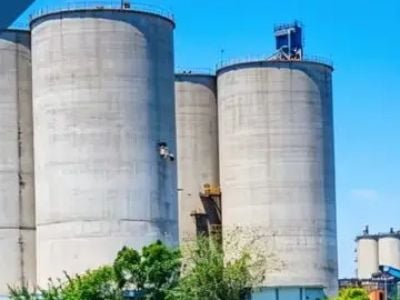
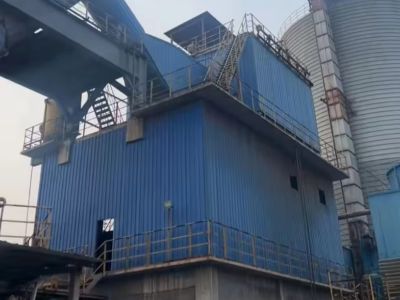
Cement factories are important places where they make cement, which is used in building things like roads and houses. Setting up a cement factory requires many machines and tools that work together in a specific way. At Insun, we know how important it is to have the right equipment for a cement factory. From big machines that crush rocks to smaller ones that mix materials, every piece of equipment has a job to do. When everything is set up correctly, the factory can run smoothly, and the cement produced will be of high quality. This article will help you understand where to find the best wholesale suppliers for cement factory equipment and the common problems that can happen with these machines.
When looking for the best wholesale suppliers for cement factory equipment, it’s essential to do some research.
Many companies sell machinery, but not all of them are the same. One way to find good suppliers is to search online. Websites and marketplaces can show you many options. Look for suppliers that have positive reviews and a good reputation, as this can help you feel more confident in your choice. Insun is one such supplier that offers a variety of equipment designed for cement factories. You can also attend trade shows or industry events where manufacturers showcase their products. Talking to them directly can give you insights into the equipment and help you ask questions about performance and support. Another method is to connect with others in the construction industry. They can share their experiences and recommend suppliers they trust. Don't forget to compare prices and read about warranty options. This will help you get the best deal and ensure that you have support if something goes wrong.
Common usage issues in complete cement factory equipment can make it hard for the factory to run well. First, machines may sometimes break down. This can happen due to wear and tear or improper use. For example, if a crusher does not get the right maintenance, Used Cement Plant might stop working when you need it the most. To avoid this, it’s essential to have a regular maintenance schedule. Operators should also be trained to use the machines correctly. Misusing equipment can lead to accidents or damage.
Another issue is when equipment does not work together as planned. Each machine in a cement factory has a specific role. If one machine has a problem, it can slow down the whole process. For instance, if the mixing machine does not work properly, the final cement product may not meet quality standards. This can lead to waste and extra costs. Insun aims to provide equipment that works well together, helping to minimize these problems. Finally, there are sometimes issues with supply. If materials needed for the cement are delayed or not available, it can stop production. Building strong relationships with suppliers can help ensure that you get what you need when you need it. By being aware of these common issues, you can take steps to prevent them and keep the factory running smoothly.
What Innovative Technologies Are Transforming Cement Factory Equipment Configuration?
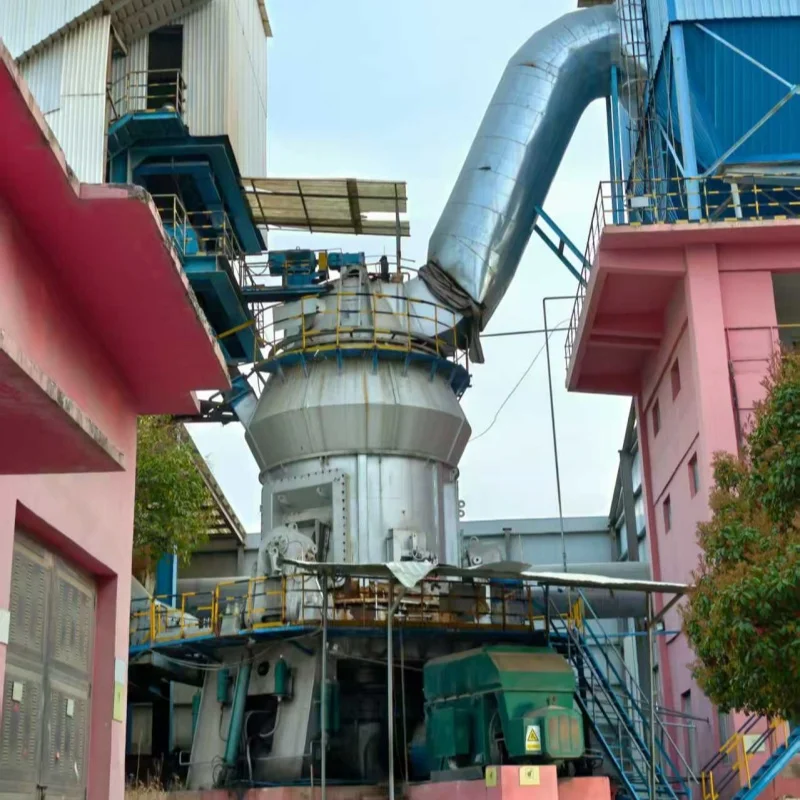
In today's world, technology is changing how we make things, and cement is no different. New and innovative technologies are helping to make cement factories better and more efficient. One important technology is automation. Automation means using machines to do tasks that people used to do. In a cement factory, this can include machines that mix materials or control temperatures. With automation, the factory can produce more cement in less time and with fewer errors. Another exciting technology is the use of sensors and smart systems. These sensors can monitor everything happening in the factory, from temperature and pressure to the amount of materials being used. This data helps workers make better decisions. For example, if the sensor notices a problem, Used vertical mill can alert workers before it becomes a big issue. This helps keep the production smooth and safe. Insun is leading the way in using these technologies in cement factories. We design our equipment to include smart sensors and automation features that make it easier to run a factory. Additionally, energy-efficient machines are becoming popular. Cement production can use a lot of energy, but new machines use less energy and produce less waste. This not only helps the environment but also saves money for the factory. Finally, advanced mixing technology has changed how we combine materials. New mixers can mix ingredients better and faster, ensuring that the cement produced is of high quality. Insun’s equipment is designed with these innovative technologies in mind, making it easier for factories to stay competitive and produce great cement.
What Are the Benefits of Investing in Complete Equipment Configuration for Cement Production?
Investing in a complete equipment configuration for cement production can bring many benefits to a factory. First, having all the necessary equipment working together means that production can be more efficient. When all parts of the factory are designed to work as a team, they can produce cement faster and with less waste. This means the factory can make more cement and sell it to customers more quickly. For example, Insun provides all the equipment needed, from mixers to kilns, ensuring they work well together. This helps factories avoid delays and get products to market faster. Another benefit is improved quality. When a factory uses the right equipment configured correctly, the cement produced is often of higher quality. This is important because builders and construction companies want strong, durable cement for their projects. With Insun's complete equipment configuration, factories can ensure that every step in the cement-making process is carefully controlled, leading to better products. Additionally, investing in complete equipment can lower costs in the long run. While the initial investment might be high, better equipment can save money on energy and maintenance. For example, if a factory uses machines that are energy-efficient, Used ball mill can spend less on electricity. Moreover, well-designed equipment is likely to break down less often, which means fewer repair costs. Finally, investing in complete equipment configuration can also help a factory be more environmentally friendly. New technologies often have lower emissions and waste, which is good for the planet. Insun is committed to helping factories not just produce more but do so in a way that is sustainable and responsible.
How to Ensure Compliance with Industry Standards in Cement Factory Equipment Configuration?
Ensuring compliance with industry standards in a cement factory is very important. Industry standards are rules that guide how factories should operate to keep workers safe and produce quality products. To comply with these standards, a factory must first understand what the rules are. This means keeping up with local and international guidelines on safety, quality, and environmental impact. Insun helps factories by providing equipment that meets these standards. Our machines are designed to be safe and efficient, making it easier for factories to stay compliant. Another way to ensure compliance is through regular training for workers. When workers know how to use the equipment correctly and follow safety procedures, the risk of accidents decreases. Insun offers training programs for factory staff so they can learn how to operate our equipment safely and effectively. Additionally, regular maintenance of machines is crucial for compliance. If equipment is not well-maintained, it might not work correctly and could create safety hazards. Factories should set up a maintenance schedule to check machines and fix any problems before they become bigger issues. Finally, keeping good records is important for compliance. Factories should document everything, from maintenance checks to safety training sessions. This way, if there is ever an inspection, they can show that they are following all the rules. Insun encourages factories to maintain detailed records of their operations. By focusing on these areas, cement factories can ensure they meet industry standards, keep their workers safe, and produce quality cement that customers can trust.

 EN
EN