Best Small Cement Plant for Your Needs

application/small-cement-plant, application/small-cement-plant, 
Inquiry
Inquiry

small cement plant

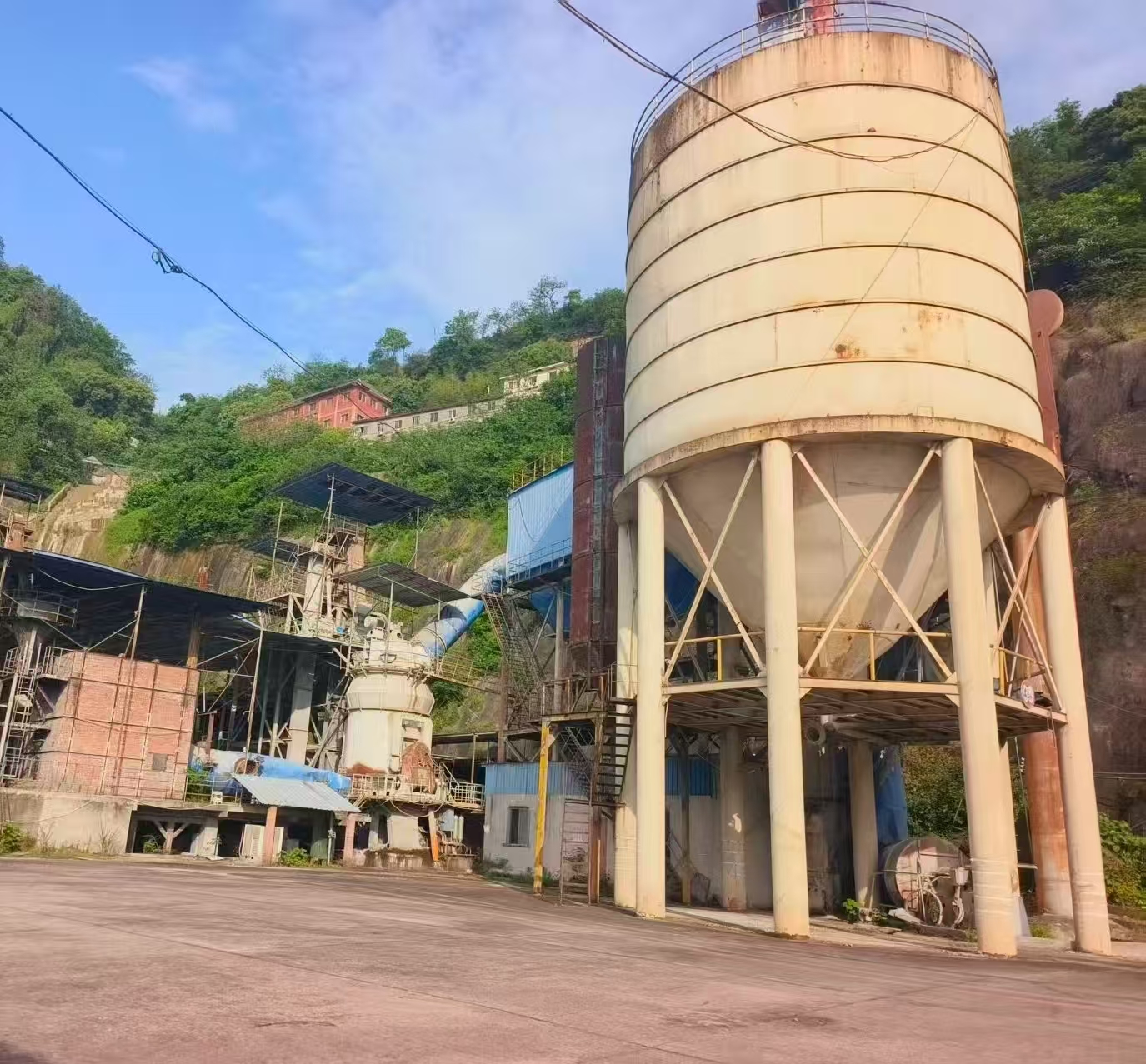
Building a small cement plant  can be a smart  choice for many reasons. Cement is an important material used in construction, like making buildings, roads, and bridges. A small cement plant can  help meet local needs without large transportation  costs. Insun is a company that specializes in creating efficient and cost-effective  solutions for cement production. With a small  plant, businesses can produce cement closer to where it  is needed, saving time and money. This  article will explore the advantages of small  cement plants and how  they can help  reduce operational costs  for buyers.

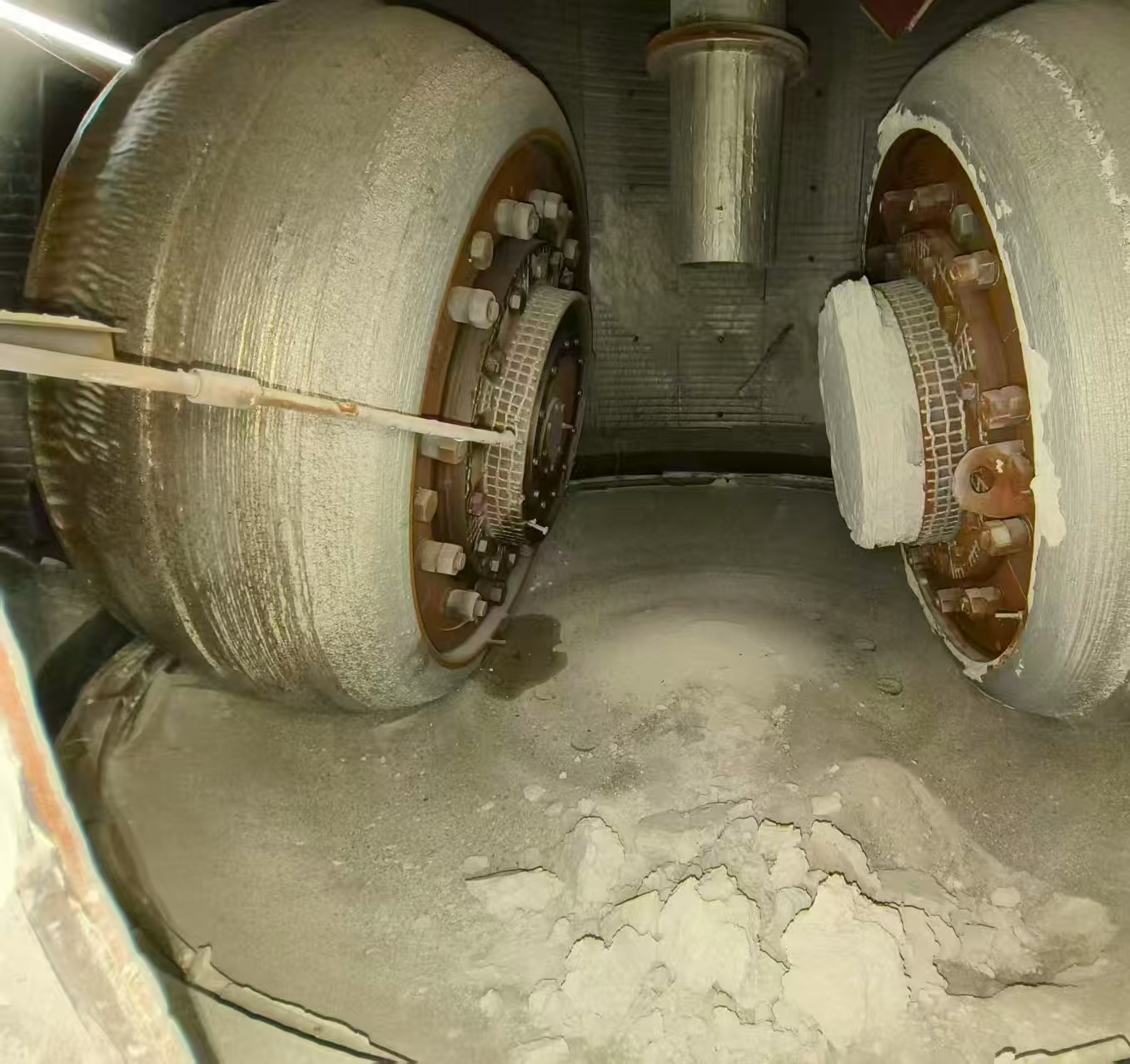
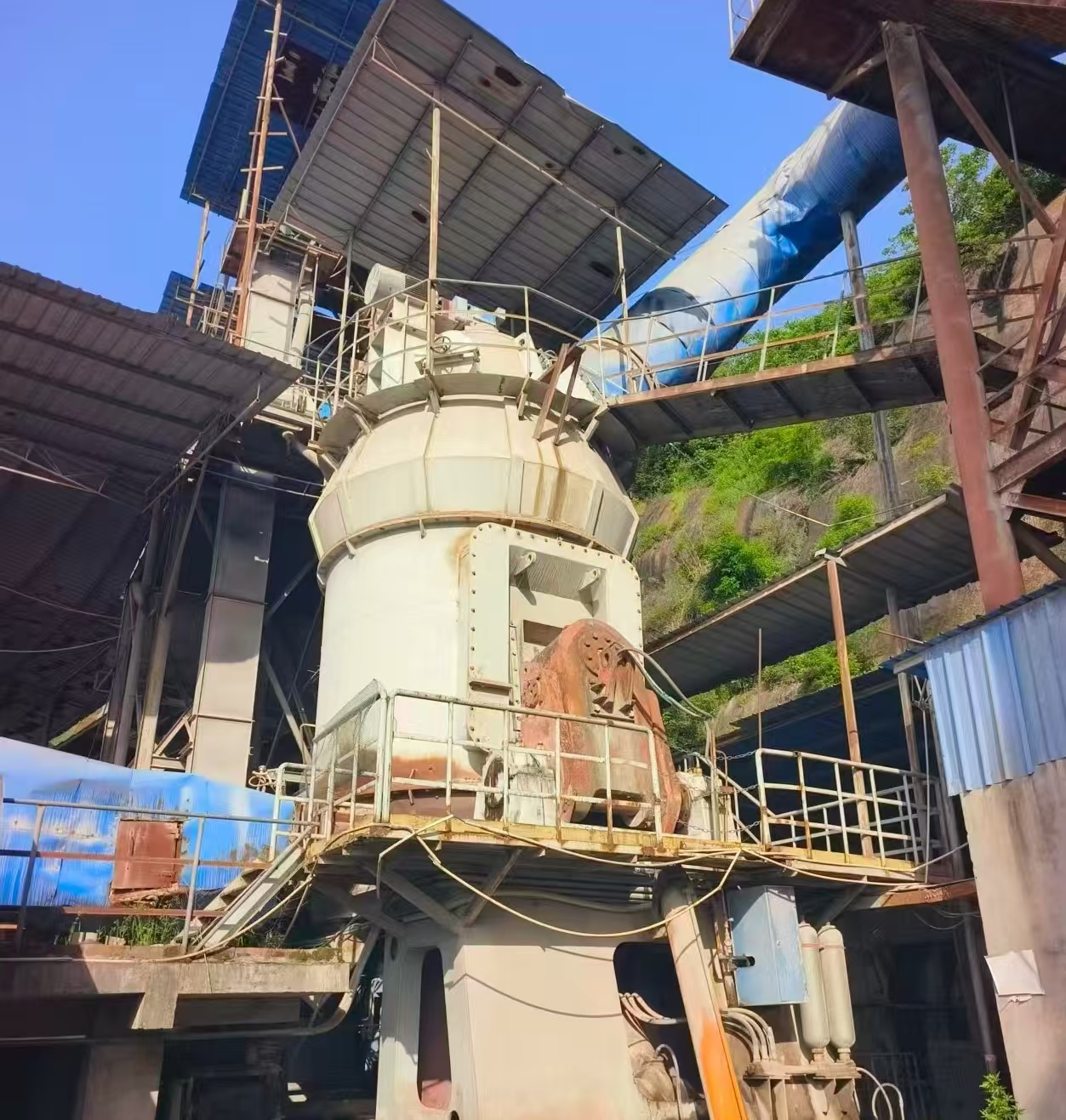
A small cement  plant offers many benefits for wholesale buyers. First, it can produce cement locally. When cement  is made close to where it is needed, the cost of transporting  it goes  down. This means that buyers can get the cement faster and usually at a better price. Also, small plants  can be more flexible. If a buyer needs a special kind of cement, a small plant can often make it without  a long wait. This is important  for construction  projects that might need something unique. For those looking for reliable equipment, a Used CK-260 Vertical Roller Mill in Complete Used Cement Production Line can be a great option.
Why choose Insun small cement plant

Our Products

How to Choose the Best Small Cement Plant for Your Construction Needs?

Another great thing about small cement plants is their lower energy use. They often  use  less power and  resources than larger plants. This can  lead to savings  on electricity bills. Plus, using less energy is better for  the environment. Many people care about sustainability, and a  small plant  can help meet those needs. With Insun's  technology,  these  plants can be designed to  be very efficient. Additionally, investing in a Cost Effective Used Cement Production Line with HRM2800S Vertical Mill Compared with New Equipment can further enhance efficiency.

Small cement plants can also respond quickly to changes in the market. If there is a sudden  increase in demand for  cement, a small plant can ramp up production faster  than  a large facility  that might take time to adjust. This agility  can be a big advantage for buyers who need to keep their projects on schedule. Plus, having a reliable local source  of cement means that buyers can trust they will always  have what they need.

Frequently Asked Questions

What is a small cement plant?

A small cement plant is a compact production facility for making cement using components like rotary kilns or vertical mills, designed for lower capacity projects and easier site installation.
Typical small cement plants range from a few hundred to a few thousand tons per day. Exact capacity depends on configuration and client requirements.
Yes. We offer EPC services including design, equipment supply, installation, commissioning, and technical support for small cement plants.
Yes. We supply key equipment such as rotary kilns and vertical mills, tailored to the plant capacity and production process.
Yes. We provide global technical support, maintenance guidance, and spare parts supply to ensure long-term plant operation.

Our Blog Posts

What Our Partners Say

Where to Find Reliable Wholesale Suppliers of Small Cement Plants?

Where to Find Reliable Wholesale Suppliers of Small Cement Plants?

Lastly, small plants can  be more environmentally friendly.  By using less energy and  producing less  waste, they can save money  on energy  bills and  possibly earn  incentives for being green. Many buyers  today want to  support sustainable  practices, and using a  small cement plant  aligns with  that goal. Insun focuses on  creating plants  that minimize  environmental  impact,  helping buyers save money while being  responsible.

What Are the Common Usage Issues with Small Cement Plants and How to Resolve Them?

What Are the Common Usage Issues with Small Cement Plants and How to Resolve Them?

When running a small cement plant, there are some  common issues you should think about. First,  you need to  make  sure you have the right  equipment. Good machines can make cement faster and better. If your machines break  down often, it can slow down  production and cost you money. Another issue is the quality of the cement. You want to make sure that  the cement you produce is strong and  meets safety standards. This means you need to test the cement regularly. If  the quality is not good, customers might not  want to buy it, and that can hurt  your business. You also have to think about where you get your raw materials, like limestone and clay. If there is a  shortage of these materials, it  can stop your plant from running smoothly. Transportation  is another big  factor. Getting raw materials to your plant and delivering the finished cement to customers should  be  efficient. If there are delays, it can upset your customers and lead to lost sales. Lastly, you need to think about your workers. Keeping your employees safe and  happy is important. If workers feel good about their job, they will work harder and help your plant succeed. Insun understands these challenges and can help you find solutions to make your small cement  plant run better.

What Makes Small Cement Plants Ideal for Localized Construction Projects?

What Makes Small Cement Plants Ideal for Localized Construction Projects?

To maximize profitability with a small cement plant investment, you need to focus on several key areas. First, it is essential to keep  track of  costs.  You should know how much money you are spending on materials, labor,  and equipment. By cutting  down on  unnecessary expenses, you can save more money and increase  your profits. Another important  factor is pricing. Make sure you set a fair price for  your cement. If your price is too  high, customers may go elsewhere. If it’s too low, you won’t make enough money. Finding the right balance  is crucial. Marketing your cement is also vital. You need to let people know about your product.  Use social  media, local ads, and word-of-mouth to attract customers. It can help to build relationships with builders and contractors who need cement for their projects. Offering  excellent  customer service can also make a big difference. If customers are happy  with your product and service, they are more likely to return and recommend you to others. Finally, consider investing in  technology. New machines and software can help you produce cement more efficiently and reduce waste.  For instance, a Used CEMF 2295 Three-Chamber Ball Mill with 475kW Motor and Gear Core Components for Cement Grinding could greatly improve operational efficiency. Insun can help guide you in making smart investments that can  boost your small cement  plant’s profitability.